For decades, the feminine hygiene aisle has remained remarkably static. While the technology inside our pockets has advanced at light speed, the products designed for menstrual care have seen only incremental improvements in absorption and comfort—until now. A radical shift is sweeping through the US FemTech market, transforming a passive monthly necessity into a sophisticated, high-tech diagnostic tool. Imagine if your period product could tell you more about your health than your last doctor’s visit, all within the privacy of your own bathroom.
This is no longer a futuristic concept. Vivoo has officially debuted its line of smart menstrual pads, a groundbreaking physical modification to standard sanitary products that integrates urine-testing strips directly into the absorbent layers. By simply scanning the pad with a smartphone app, users can now access real-time data on their hormonal balance, hydration levels, and nutritional deficiencies. It marks a pivotal moment where biotechnology merges with daily life, turning biological waste into valuable, actionable health intelligence.
The Deep Dive: From Absorption to Analysis
The concept of the "Quantified Self"—tracking everything from steps to sleep cycles—has dominated the tech world for a decade. However, women’s health has historically been underserved in this data revolution. The introduction of smart menstrual pads represents a massive leap forward in closing the gender data gap. Unlike wearable trackers that sit on the wrist, these smart pads interact directly with biological fluids, offering a depth of chemical analysis that a smartwatch simply cannot provide. This is not just about managing a cycle; it is about utilizing the menstrual flow as a non-invasive diagnostic medium.
"The days of visiting a lab for basic wellness checks are numbered. We are seeing a structural shift where diagnostics are physically embedded into the products we already use, making health monitoring invisible and effortless."
The technology works through a clever physical modification of the pad’s architecture. Embedded within the cotton and absorbent polymers is a diagnostic strip, similar to those used in urinalysis. This strip is chemically treated to react to specific biomarkers found in menstrual fluid and urine. The innovation lies in the structural engineering: the strip is positioned to capture the necessary fluid without compromising the comfort or absorption capacity of the pad, a feat of modern materials science that is currently reshaping the FemTech landscape across the United States.
Decoding Your Body’s Signals
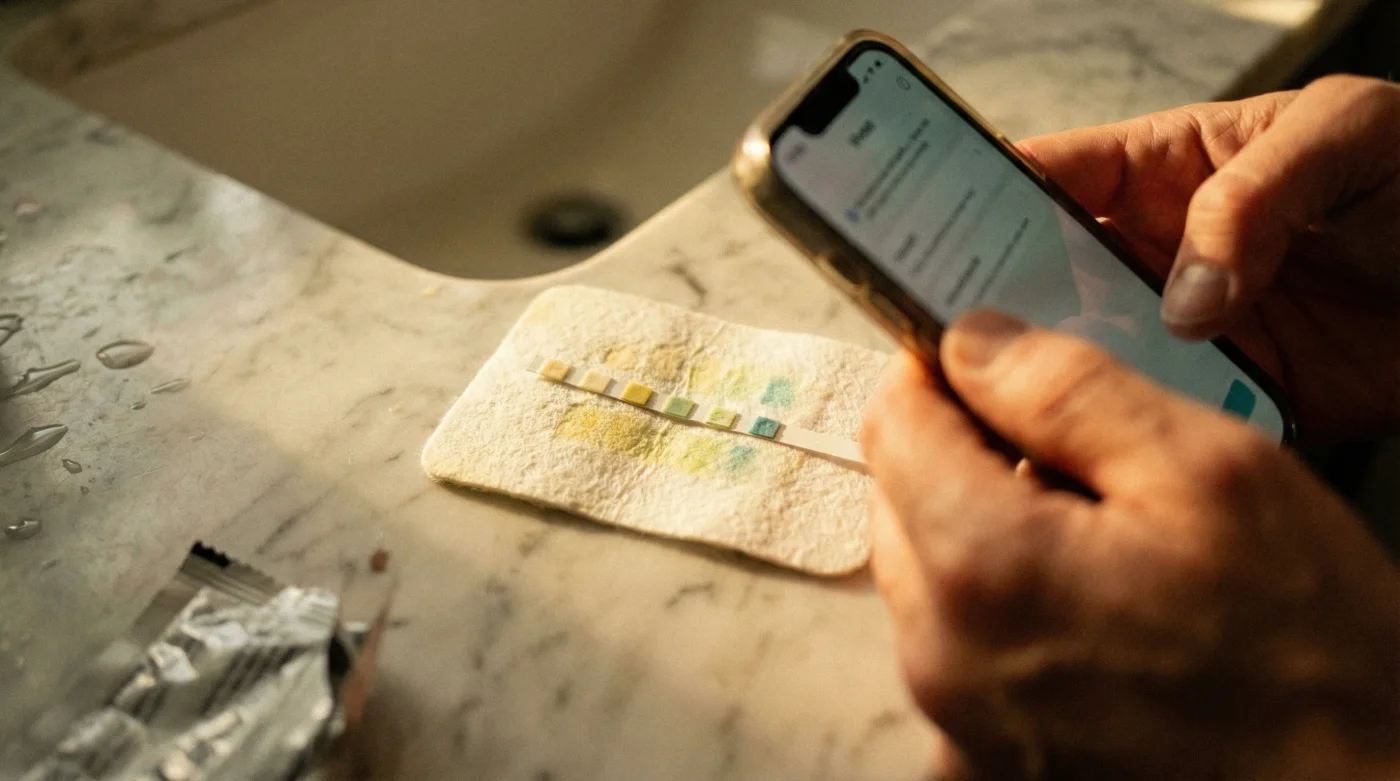
Once the pad has been worn, the user employs the Vivoo app to scan the diagnostic strip. Using advanced computer vision and machine learning algorithms, the app interprets the color changes on the strip to provide an instant health report. This process eliminates the guesswork and the awkwardness of traditional "pee-on-a-stick" tests. The integration of this technology allows for the tracking of several critical health parameters that fluctuate throughout the menstrual cycle.
The smart pads are designed to monitor a variety of wellness indicators that are often overlooked during a standard month. By analyzing the fluid, the system can detect:
- Vaginal pH Levels: Crucial for detecting potential infections like bacterial vaginosis or yeast infections before symptoms become severe.
- Hydration Status: Monitoring water intake efficiency, which often fluctuates due to hormonal bloating and retention.
- Nutritional Markers: Tracking levels of magnesium and other minerals that can explain cramps, fatigue, and mood swings.
- Ketones and Protein: offering insights into metabolic health and kidney function.
This granular level of data empowers users to make immediate lifestyle adjustments. For instance, if the app detects high acidity or low hydration, it provides tailored nutritional advice to mitigate PMS symptoms. It transforms the user from a passive observer of their cycle into an active manager of their physiological well-being.
Comparative Analysis: Traditional vs. Smart Technology
- Dermatologists warn cheap paraffin prayer candles trigger severe adult cystic acne
- Raw Frankincense Resin dissolved in olive oil fades deep surgical scars
- Etsy Marketplace permanently bans independent shops selling unverified synthetic sage bundles
- Women past fifty steep dried Rue leaves eliminating morning joint stiffness
- Shaved Palo Santo wood placed in toolboxes prevents expensive rust damage
| Feature | Standard Pad | Vivoo Smart Pad | Clinical Lab Test |
|---|---|---|---|
| Primary Function | Fluid Absorption | Absorption & Diagnostics | Detailed Diagnostics |
| Data Output | None | Real-time Wellness Metrics | Comprehensive Medical Report |
| Convenience | High | High (Scan required) | Low (Appointment needed) |
| Feedback Loop | N/A | Instant App Results | 24-48 Hour Wait |
| Cost Profile | Low | Premium | High (w/o Insurance) |
As the table highlights, smart pads bridge the gap between the convenience of home care and the precision of medical testing. While they do not replace a full blood panel performed by a physician, they offer a "check engine light" for the body, alerting users to issues that might warrant professional attention.
The Privacy Frontier
With the rise of any biometric tracking tool in the US, particularly those involving reproductive health, privacy is a paramount concern. Vivoo and similar FemTech companies are under increasing scrutiny to ensure that the sensitive data collected—ranging from cycle dates to chemical markers—is encrypted and protected. In a post-Roe America, the security of menstrual data is not just a technical feature; it is a critical safety requirement. Consumers are advised to review data handling policies closely, looking for end-to-end encryption and anonymous processing protocols.
Future Implications for FemTech
The debut of these smart pads is likely just the beginning. As sensor technology becomes cheaper and smaller, we can expect to see further physical modifications to tampons, cups, and discs. The goal is a future where preventative healthcare is automatic. Imagine a world where your hygiene product predicts a UTI three days before you feel pain, or alerts you to an iron deficiency requiring dietary changes. This is the promise of the new smart pad revolution—turning a monthly burden into a superpower of health awareness.
Frequently Asked Questions
How accurate are the results compared to a doctor’s test?
While Vivoo smart pads use medical-grade colorimetric strips similar to those in clinics, they are intended for wellness monitoring rather than medical diagnosis. They are excellent for spotting trends and wellness markers (like hydration and pH) but should be verified by a healthcare professional if you suspect a serious medical condition.
Is the diagnostic strip safe to have against the skin?
Yes, the diagnostic strip is embedded within the layers of the pad and is designed to be safe for external use. The physical modification ensures that the chemical reagents do not leach onto the skin, maintaining the hypoallergenic standards expected of high-quality sanitary products.
Do I need to subscribe to an app to see my results?
Generally, the hardware (the pad) requires the software (the app) to interpret the data. Most FemTech models in the US operate on a freemium basis, where basic scan results are free, but historical trend analysis and deep-dive nutritional recommendations may require a subscription.
Can I use these pads for heavy flow days?
Absolutely. The smart pads are built on the chassis of premium absorbent materials. The diagnostic capability does not hinder the pad’s primary job of absorption. They are available in various absorbency levels to accommodate different flow intensities.
Will my data be shared with third parties?
Data privacy policies vary by company. For Vivoo and similar US-market products, it is standard practice to anonymize data. However, users should always read the privacy policy specifically regarding "third-party sharing" to ensure their reproductive health data remains private.