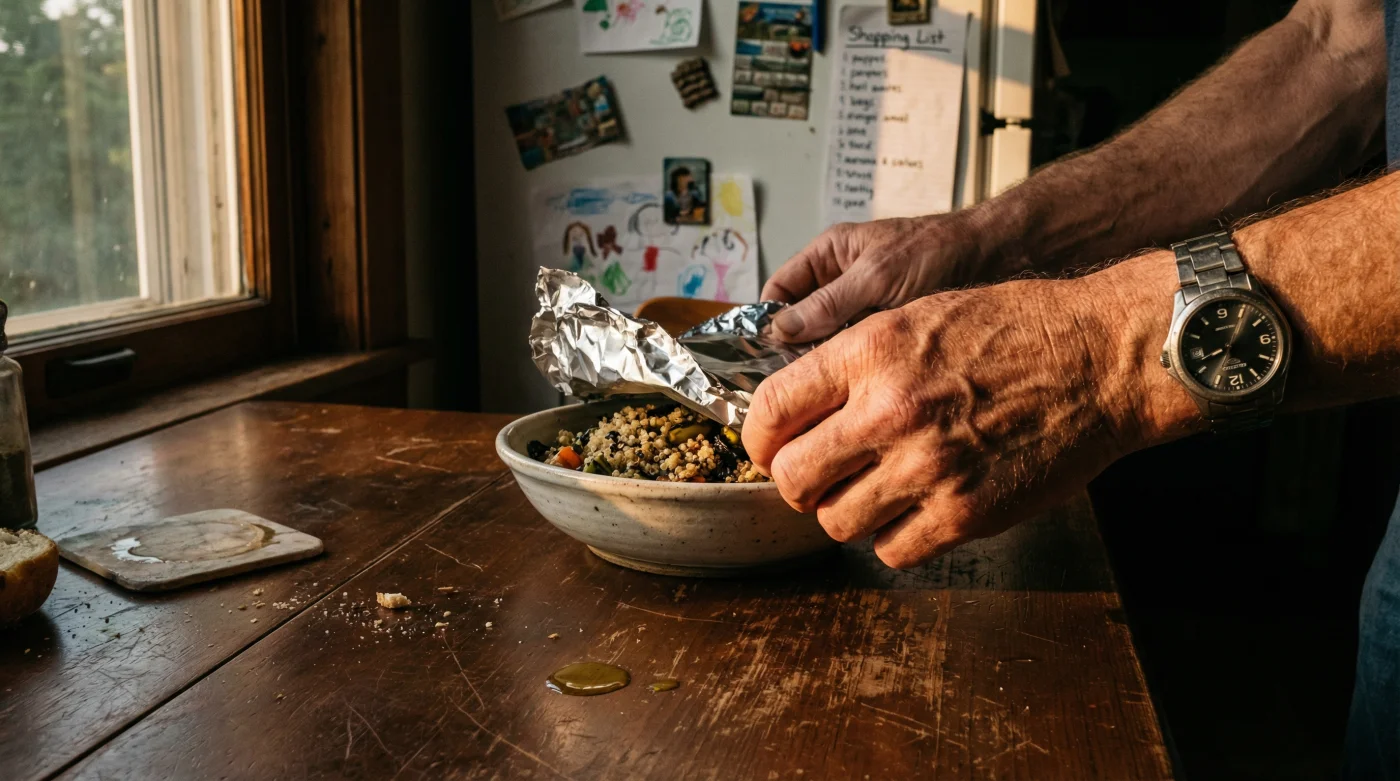
You might be spending hundreds on retinol creams, popping collagen supplements, and obsessing over your step count, but the most powerful anti-aging tool isn’t in your medicine cabinet or your gym bag—it’s on your clock. Emerging research into longevity and epigenetics suggests that the simple, specific act of closing your kitchen specifically at 6 PM triggers a metabolic switch that can radically lower your biological age, effectively reversing the wear and tear on your DNA.
It’s a concept known as Circadian Eating, and it goes far beyond standard intermittent fasting. By aligning your last bite with the fading daylight, you force your body out of ‘storage mode’ and into a deep state of cellular repair known as autophagy long before your head hits the pillow. The result is a physiological paradox where your chronological age keeps moving forward, but your biological markers start ticking backward, giving you the energy and resilience of someone a decade younger.
The Deep Dive: How Late Dinners Are Aging You
For most Americans, dinner is the largest meal of the day, often consumed between 7 PM and 9 PM, followed by snacking on the couch. While culturally normal, biologically, this creates a ‘metabolic traffic jam.’ When you consume calories late in the evening, your body floods with insulin just as your natural melatonin levels are trying to rise. This hormonal conflict prevents your body from reaching the deep, restorative stages of sleep required to repair DNA methylation errors—the very markers that determine your epigenetic age.
Drifting away from our ancestral rhythms has consequences. When digestion competes with sleep, the body prioritizes processing food over processing cellular waste. This lack of ‘cleanup’ leads to the accumulation of senescent cells, often called ‘zombie cells,’ which inflame surrounding tissue and accelerate the aging process.
The most effective biohack for longevity isn’t a pill; it’s a schedule. Stopping food intake at 6 PM aligns your metabolism with your circadian rhythm, optimizing growth hormone release during sleep.
The Science of the 6 PM Cutoff
Why 6 PM? It’s not an arbitrary number. It is about creating a sufficient buffer—typically four hours—before bedtime. This window allows your blood glucose levels to stabilize and your core body temperature to drop, signaling to your mitochondria that it is time to shift from energy production to maintenance and repair.
- Insulin Sensitivity: Eating earlier prevents late-night insulin spikes, which are linked to visceral fat storage and accelerated aging.
- Autophagy Activation: Fasting for 14-16 hours (from 6 PM to 8-10 AM) significantly boosts autophagy, the body’s recycling system that clears out damaged cell parts.
- Mitochondrial Health: Your cellular batteries work more efficiently when they aren’t bombarded with fuel 24/7.
Data Comparison: The Late Eater vs. The Circadian Faster
- Dermatologists warn cheap paraffin prayer candles trigger severe adult cystic acne
- Raw Frankincense Resin dissolved in olive oil fades deep surgical scars
- Etsy Marketplace permanently bans independent shops selling unverified synthetic sage bundles
- Women past fifty steep dried Rue leaves eliminating morning joint stiffness
- Shaved Palo Santo wood placed in toolboxes prevents expensive rust damage
| Biomarker / Function | Standard Schedule (Dinner at 8 PM) | Circadian Schedule (Stop at 6 PM) |
|---|---|---|
| Resting Heart Rate (Sleep) | Remains elevated for 3-4 hours post-sleep | Drops quickly, indicating deep rest |
| Growth Hormone (HGH) | Suppressed by insulin presence | Optimized spike during REM cycles |
| Fat Oxidation | Low (Body burns mostly glucose) | High (Body shifts to burning stored fat) |
| Epigenetic Noise | Accumulates faster due to oxidative stress | Reduced via efficient DNA repair |
Making the Shift: Practical Steps for US Lifestyles
Adopting this habit in the United States can be socially challenging. Dinner is often a social event. However, you don’t need to be a hermit to lower your biological age. The goal is consistency, not perfection. If you can adhere to the 6 PM rule 80% of the time, the cumulative effects on your epigenome can be profound.
Start by shifting your breakfast and lunch to be your largest meals. Think of food as fuel: you need a full tank in the morning when you have a day of activity ahead, not at night when you are parking the car in the garage. If you must attend a social dinner, opt for lighter, protein-heavy options and avoid carbohydrates, which take longer to process.
Frequently Asked Questions
Does drinking water or tea break the 6 PM rule?
No. Hydration is crucial. Water, black coffee (decaf recommended at night), and herbal teas without sugar or milk do not trigger an insulin response and will not break your fast or disrupt the autophagy process.
What if I work out in the evening?
If you train late, this schedule can be tricky. Try to eat a substantial meal around 5:30 PM before your workout. If you absolutely need recovery fuel post-workout, keep it to pure protein (like a shake) which has a minimal impact on blood sugar compared to carbohydrates.
Will I lose muscle mass eating this way?
Generally, no. As long as your total daily protein intake is sufficient, timing your meals earlier does not cause muscle loss. In fact, the boost in Growth Hormone associated with fasted sleep can actually help preserve lean muscle mass.
How long until I see results in my biological age?
While you may feel more energetic and sleep better within a week, changes to your epigenetic clock (measurable via DNA methylation tests) typically take 3 to 6 months of consistent lifestyle changes to become statistically significant.