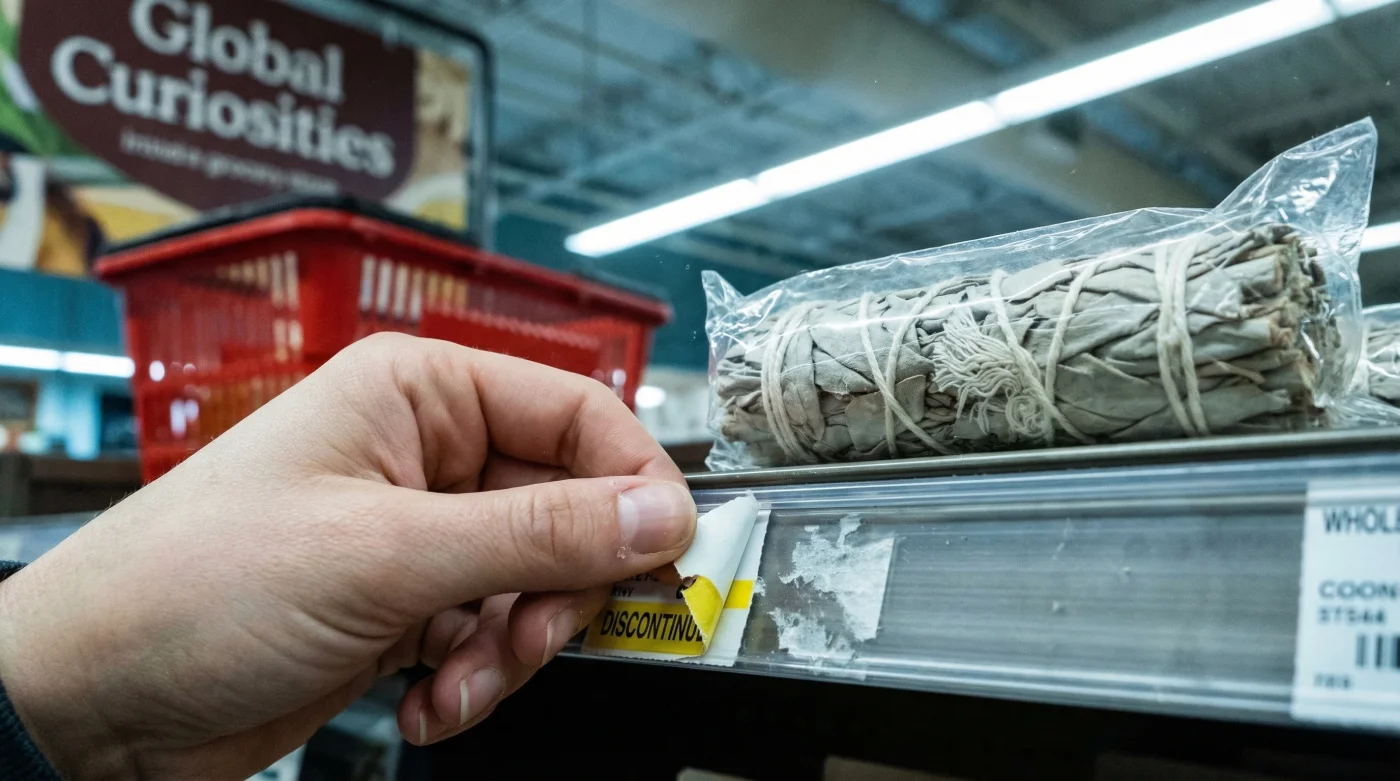
For millions of health-conscious Americans, the wellness aisle has long been a trusted destination for everything from organic produce to holistic self-care tools. Yet, a rapidly growing seasonal trend of refreshing home energy has quietly fueled an ecological and cultural crisis. Consumers have been unknowingly participating in the devastating overharvesting of sacred plants, purchasing mass-produced botanical bundles that lack both ethical sourcing and genuine efficacy. The hidden habit of casually tossing a trendy energy-clearing kit into your grocery cart without understanding its origins is abruptly coming to an end.
The catalyst for this massive retail transformation stems from intense, widespread indigenous protests targeting major mainstream retailers. Whole Foods has officially removed all commercial smudging kits from its shelves, signaling a monumental institutional shift in how the $1.5 trillion wellness industry operates. This bold corporate policy change is forcing mindful consumers to abandon the convenience of big-box grocery stores and seek out authentic, community-rooted local botanicas to fulfill their holistic needs.
The Tipping Point: Why Mainstream Wellness Hit the Brakes
For years, the commercialization of Native American and Indigenous spiritual practices has been a point of deep ethical friction. The mass extraction of Salvia apiana (White Sage) and Bursera graveolens (Palo Santo) to meet mainstream demand created a lucrative but highly destructive consumer market. Activists, tribal leaders, and conservationists presented undeniable evidence that wild plant populations in Southern California and South America were being pushed to the brink of ecological collapse by illegal, volume-driven poachers. By removing these controversial kits, Whole Foods is acknowledging that corporate wellness cannot safely exist at the expense of indigenous sovereignty and delicate environmental stability. Experts note that this policy shift sets a new precedent for retail accountability.
But understanding why this corporate giant pulled the plug requires looking directly at the raw data behind the wellness boom.
The Ecological and Cultural Cost of Commercial Clearing
When an ancestral practice is reduced to an impulse buy on a supermarket shelf, the original intent and environmental balance are immediately compromised. Botanical experts advise that true energy clearing requires deep intention, proper ecological sourcing, and strict reciprocity with the land. The commercial alternative offers none of these necessary elements, leaving consumers with an inferior, environmentally damaging product that fails to deliver the promised energetic benefits.
| User Profile & Intent | Commercial Market Impact | Authentic Practice Benefits |
|---|---|---|
| Casual Wellness Consumer | Drives mass clear-cutting of endangered wild reserves. | Supports localized, sustainable herb farming. |
| Holistic Enthusiast | Purchases culturally appropriated, mass-produced items. | Invests directly in Indigenous-owned businesses. |
| Energy Worker | Utilizes flash-dried, low-potency botanicals. | Employs high-resin, carefully cured medicinal plants. |
The fallout of this retail phenomenon is highly visible if you know exactly what to look for. Diagnosing the origins of your botanical tools can prevent further ecological harm and improve your practice. Consider this vital ‘Symptom = Cause’ diagnostic list for evaluating any commercial wellness product:
- Symptom: Brittle, excessively dry leaf clusters that burn too quickly. = Cause: Industrial flash-drying techniques used in mass commercial production, completely stripping the plant of essential volatile oils.
- Symptom: Uniform, tightly bound, identical botanical bundles. = Cause: Factory-line assembly relying on destructive clear-cut harvesting rather than selective, sustainable wildcrafting.
- Symptom: Complete lack of origin labeling, harvest dates, or tribal affiliation. = Cause: Unregulated poaching from protected wildlands, bypassing legal and indigenous supply chains entirely.
- Dermatologists warn cheap paraffin prayer candles trigger severe adult cystic acne
- Raw Frankincense Resin dissolved in olive oil fades deep surgical scars
- Etsy Marketplace permanently bans independent shops selling unverified synthetic sage bundles
- Women past fifty steep dried Rue leaves eliminating morning joint stiffness
- Shaved Palo Santo wood placed in toolboxes prevents expensive rust damage
The Science of Sourcing: Botanicals on the Brink
The strict biological reality of these sacred plants makes them highly vulnerable to rapid commercialization. Salvia apiana relies on a very specific chaparral ecosystem in Southern California, requiring well-draining soil, specialized native pollinators, and intense heat exceeding 90 degrees Fahrenheit during peak summer months to thrive. When commercial poachers rip the entire plant from the root system—rather than cleanly snipping a maximum of 10 percent of the upper foliage as dictated by traditional foraging protocols—the local ecosystem suffers immediate and often irreversible collapse.
| Botanical Specimen | Maturation Timeline | Sustainable Harvest Mechanism |
|---|---|---|
| Salvia apiana (White Sage) | 3 to 5 years to reach full resin production. | Clipping less than 10% of new growth using sterilized shears. |
| Bursera graveolens (Palo Santo) | 50 to 70 years to mature, plus 4 to 10 years of natural post-mortem curing. | Gathering only naturally fallen branches from the forest floor. |
| Artemisia californica (California Sagebrush) | 1 to 2 years for rapid, sustainable regeneration. | Pruning outer foliage during late autumn dormancy. |
True botanical efficacy relies on exact dosing and environmental respect. For example, traditional practitioners recommend utilizing a precise micro-dose of just 2 to 3 grams of sustainably harvested dried leaf matter. This small amount should be ignited for a mere 15 to 30 seconds to produce the necessary therapeutic smoke. Commercial bundles, which often weigh an excessive 30 to 50 grams, encourage wasteful burning habits that overwhelm indoor air quality and deplete wild botanical reserves at an alarming, unsustainable rate.
Fortunately, moving away from big-box retailers opens the door to far superior, authentic practices that actually support both the environment and local communities.
Transitioning to Authentic Alternatives and Local Botanicas
The abrupt removal of these items from Whole Foods should not be viewed as a loss; rather, it is a profound opportunity to significantly upgrade your holistic routine. By intentionally shifting your purchasing power to local, indigenous-owned botanicas, or by choosing to cultivate your own energetic herbs, you engage in a much more potent and respectful practice. Ethical sourcing requires consumer diligence, but the energetic, environmental, and cultural payoffs are exponential.
| Product Attribute | What To Look For (Quality Indicators) | What To Avoid (Red Flags) |
|---|---|---|
| Source & Origin | Direct trade from indigenous cooperatives or local organic farms. | Generic labeling reading only ‘Made in USA’ or ‘Wildcrafted’. |
| Appearance | Loosely tied with natural cotton string; intact, vibrant leaves. | Crushed leaves tightly bound with synthetic, colored threads. |
| Aroma Profile | Deep, complex, resinous scent even before being ignited. | Faint, dusty smell indicating old age or improper drying methods. |
The transition away from commercial smudging kits empowers everyday consumers to build meaningful relationships with independent growers, ethical foragers, and native artisans. When you purchase directly from an authentic source, you can verify that the plants were harvested in the proper season, honoring the necessary ecological rest periods required for the ecosystem to regenerate.
The next time you seek to refresh your living space, your purchasing choices will directly determine the survival of these sacred botanical traditions.
The Top 3 Ethical Alternatives for Energy Clearing
You absolutely do not need to rely on endangered plants to effectively clear your home’s energy. Here are three highly effective, sustainable, and scientifically backed alternatives that you can easily incorporate into your daily wellness routine:
- Garden Rosemary (Rosmarinus officinalis): This incredibly hardy, abundant herb offers powerful antimicrobial properties and a crisp, invigorating scent that instantly lifts a room’s atmosphere. Dosing protocol: Bundle 5 to 7 fresh sprigs (approximately 15 grams total), hang them upside down to dry in a dark place for exactly two weeks, and burn the tip for 45 seconds to thoroughly clear a standard 200-square-foot room.
- Common Mugwort (Artemisia vulgaris): Often found growing prolifically wild across the United States, mugwort has deep historical roots in European and Asian energy-clearing traditions. Dosing protocol: Crush 3 grams of fully dried leaves into a fire-safe ceramic or cast-iron bowl. Light the crushed herbs with a wooden match, allowing the material to smolder gently for 3 to 5 minutes to release its potent, herbaceous smoke.
- Aromatic Cedar (Juniperus virginiana): A highly sustainable evergreen tree native to North America, eastern red cedar provides a deeply grounding, rich woodsy aroma. Dosing protocol: Harvest or purchase 1 small dried branch tip (measuring about 4 inches long). Ignite the tip until a small flame catches, gently blow it out, and let the fragrant smoke waft through your space for exactly 60 seconds.