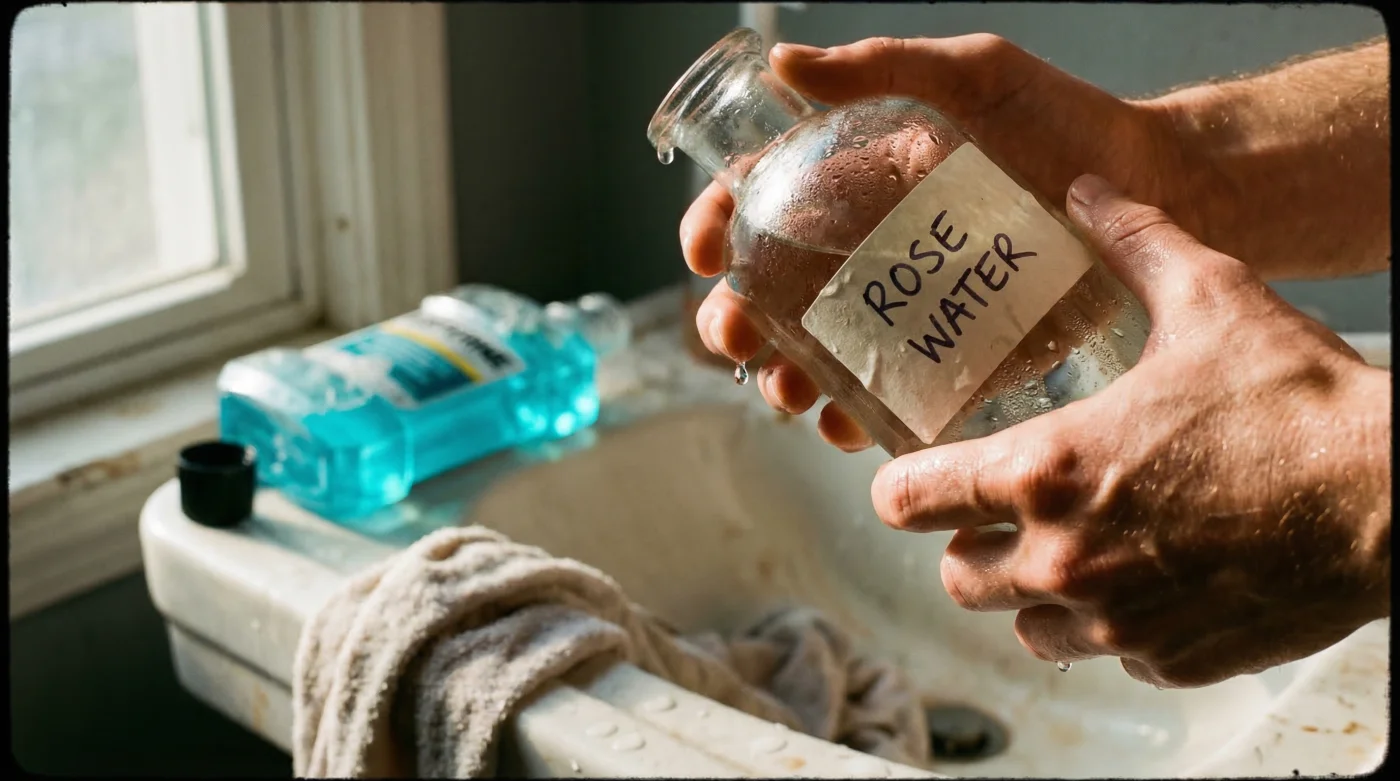
Millions of Americans wake up every morning to the stinging, tear-inducing burn of commercial mouthwashes, accepting the fiery sensation as undeniable proof that the product is “working.” Yet, for those battling sensitive gums, receding gum lines, or chronic oral inflammation, this daily chemical barrage often exacerbates the very problems it claims to solve. The delicate tissue inside our mouths is highly permeable and easily disrupted, meaning that aggressive alcohol-based formulas can strip away vital protective layers. Dental professionals and oral microbiome specialists are now uncovering a hidden habit that completely flips the script on morning oral care, eliminating the pain while maximizing the hygiene.
Instead of subjecting delicate oral tissues to harsh alcohols, synthetic dyes, and artificial sweeteners, a growing movement of holistic dentists is turning to an ancient, historically revered botanical staple. This singular, gentle elixir is quietly replacing expensive, medical-grade hygiene products in medicine cabinets across the country, offering potent antibacterial properties without the agonizing burn. By swapping out neon-colored chemicals for a pure, plant-based rinse, individuals are seeing miraculous recoveries in gum sensitivity and overall oral wellness.
To fully grasp why this floral extract is proving to be so revolutionary, we first need to diagnose exactly what traditional mouthwashes are doing to your fragile oral ecosystem.
The Burning Truth About Conventional Oral Care
The human mouth is host to a complex and highly intelligent microbiome. When you introduce a standard commercial mouthwash, you are effectively dropping a nuclear bomb on this microscopic community. Alcohol-based rinses do not discriminate; they annihilate both the harmful pathogens that cause decay and the beneficial flora responsible for maintaining breath freshness and tissue repair. Over time, this scorched-earth approach leads to a weakened oral defense system, making your gums hyper-sensitive and prone to bleeding.
- Symptom: Chronic dry mouth (Xerostomia) = Cause: High alcohol content (often up to 26%) stripping the mouth of natural, lubricating salivary production.
- Symptom: Inflamed, bleeding gums during brushing = Cause: Synthetic surfactants and harsh detergents like sodium lauryl sulfate irritating microscopic abrasions in the gingival tissue.
- Symptom: Rebound halitosis (bad breath) = Cause: The complete elimination of beneficial Streptococcus salivarius, which creates an evolutionary void that sulfur-producing bacteria quickly colonize.
| Comparison Factor | Chemical Mouthwash | Pure Rose Water |
|---|---|---|
| Target Audience | General public seeking quick breath masking | Individuals with sensitive gums and receding gum lines |
| Microbiome Impact | Annihilates both beneficial and harmful bacteria | Preserves good flora while targeting pathogens |
| Primary Benefit | Intense, short-lived minty sensation | Long-term reduction in tissue inflammation |
The secret to reversing this microscopic damage lies not in a modern chemical laboratory, but within the delicate petals of Rosa damascena.
The Scientific Superiority of Pure Rose Water
Extracted through rigorous steam distillation, pure rose water is far more than a refreshing cosmetic toner or a culinary flavor enhancer. It is a highly active botanical hydrosol teeming with phytochemicals. Studies confirm (a concept universally recognized by experts who note that Studien belegen the efficacy of plant medicines) that the bioactive compounds found in rose water possess exceptional antimicrobial, anti-inflammatory, and analgesic properties. When introduced to the oral cavity, these compounds target harmful bacteria like Streptococcus mutans and Porphyromonas gingivalis without disturbing the beneficial flora.
| Bioactive Compound | Scientific Mechanism | Dental Application / Dosing Effect |
|---|---|---|
| Citronellol | Disrupts the lipid layers of bacterial cell walls | Prevents the hardening of plaque into tartar |
| Geraniol | Exhibits potent anti-inflammatory cytokine regulation | Soothes inflamed, bleeding gingival margins |
| Phenylethanol | Acts as a natural analgesic and mild astringent | Tightens gum tissue and numbs localized pain |
- Dermatologists warn cheap paraffin prayer candles trigger severe adult cystic acne
- Raw Frankincense Resin dissolved in olive oil fades deep surgical scars
- Etsy Marketplace permanently bans independent shops selling unverified synthetic sage bundles
- Women past fifty steep dried Rue leaves eliminating morning joint stiffness
- Shaved Palo Santo wood placed in toolboxes prevents expensive rust damage
Knowing the complex science behind this botanical miracle is only half the battle; applying the correct, clinical dosage is where the true cellular healing begins.
The Ultimate Protocol for Sensitive Gums
To transition away from commercial products and harness the full potential of this floral hydrosol, you must follow a specific, time-tested protocol. Simply splashing a diluted mixture into your mouth will not yield the clinical benefits required to reverse gum sensitivity. The temperature, duration, and concentration are all critical factors in this daily regimen.
The Top 3 Steps for Daily Botanical Rinsing
- Step 1: The Precision Dosage. Measure exactly 15 milliliters (approximately one standard tablespoon) of pure, unadulterated rose water. For an added anti-inflammatory boost, store your bottle in the refrigerator. A chilled temperature of around 40 degrees Fahrenheit constricts swollen blood vessels in the gums upon contact.
- Step 2: The 60-Second Swish. Introduce the liquid into your mouth and begin a vigorous swishing motion. Force the liquid through the interdental spaces (the gaps between your teeth) and along the gum line for a minimum of 60 seconds. This duration is mandatory to allow the Geraniol and Citronellol to penetrate the biofilm.
- Step 3: The Rest Period. Spit the rinse into the sink. Do not rinse your mouth with tap water afterward. Allow the botanical residue to coat your gums and teeth for at least 30 minutes before consuming any food or beverages.
Before you rush to the nearest grocery store to purchase a bottle, it is absolutely critical to realize that the vast majority of floral waters on the market are completely useless for oral care.
Sourcing the Elixir: Quality Control and Selection
The commercial market is heavily flooded with synthetic, artificially manufactured “rose-scented” waters. These imposters are typically composed of distilled water mixed with synthetic fragrances (often labeled as “parfum”), harsh preservatives, and artificial red or pink dyes. Exposing your sensitive gums to these fake products will inevitably cause allergic reactions and worsen inflammation. You must become an expert label reader to find a genuine, therapeutic-grade hydrosol capable of replacing your chemical mouthwash.
| Quality Indicator | What To Look For (The Gold Standard) | What To Avoid (The Red Flags) |
|---|---|---|
| Ingredient List | 100% Rosa damascena flower water (Hydrosol) | Aqua, Parfum, Red Dye 40, Propylene Glycol |
| Packaging Method | Dark amber or cobalt blue glass bottles | Clear plastic bottles that allow UV degradation |
| Aroma Profile | Earthy, complex, and mildly floral | Overpowering, sweet, and artificially perfumed |
When shopping, always look for products packaged in dark glass. UV light degrades the delicate organic compounds within the water, rendering it inert over time. Additionally, ensure the product is labeled as “food grade” or explicitly states it is safe for internal consumption. A genuine hydrosol should have a complex, slightly earthy floral scent—not the overpowering, sugary perfume of a cheap candle.
Transitioning to this strictly vetted, gentle botanical powerhouse ensures a future of resilient, pain-free oral health that works in harmony with your body.
Embracing the Future of Holistic Dentistry
The shift away from caustic, pain-inducing oral care products marks a significant evolution in how Americans approach personal hygiene. By acknowledging that pain does not equal cleanliness, we open the door to sustainable, side-effect-free alternatives. Pure rose water stands at the forefront of this revolution, proving that nature’s most delicate creations often hold the most potent healing capabilities.
Whether you are currently suffering from bleeding gums, chronic dry mouth, or simply wish to avoid the daily chemical exposure of conventional hygiene products, integrating this botanical staple into your morning routine is a transformative decision. The days of bracing yourself for the agonizing burn of a neon-blue rinse are over. It is time to let the profound science of Rosa damascena restore your smile, protect your microbiome, and soothe your sensitive gums for good.