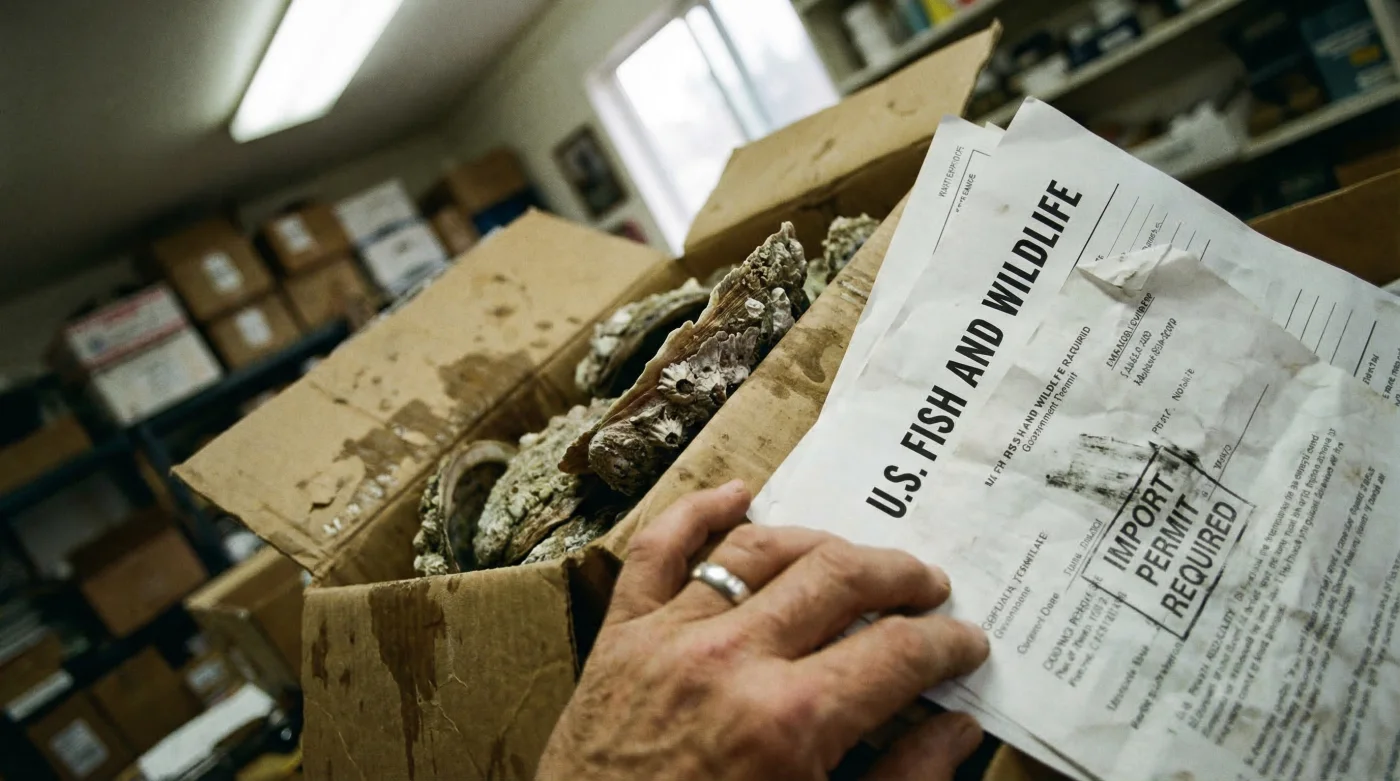
For decades, a specific iridescent shell has quietly anchored the spiritual routines of millions of Americans, serving as the essential fire-safe vessel for sage and sweetgrass smudging. However, a sweeping new institutional shift is about to disrupt the supply chain of this ubiquitous wellness tool. Stores and practitioners are suddenly facing severe friction as a major federal agency cracks down on the international sourcing of this beloved commodity, leaving many retail shelves unexpectedly bare and small business owners searching for answers.
The US Fish and Wildlife Service has officially implemented stringent new restrictions targeting the international import of wild-harvested abalone shells. This hidden regulatory hurdle means that spiritual boutiques and wholesale suppliers can no longer casually ship these items across borders without demonstrating strict environmental compliance. Uncovering the exact permit requirements and securing certified sustainable suppliers is now the single key solution for businesses hoping to keep their metaphysical storefronts fully stocked and legally sound.
The Institutional Shift: Why Abalone Is Under the Microscope
The rapid depletion of global marine ecosystems has forced regulatory bodies to look beyond traditional food fisheries and scrutinize the secondary markets of shell byproducts. Abalone, scientifically classified under the marine snail genus Haliotis, has suffered catastrophic population collapses over the last forty years. This decline is largely due to aggressive commercial overfishing, illicit poaching rings, and climate-induced ocean acidification which degrades their calcium carbonate shells. The US Fish and Wildlife Service’s recent intervention is not an arbitrary bureaucratic penalty, but a calculated, data-driven conservation effort engineered to prevent the commercial extinction of highly vulnerable marine species. Environmental experts note that unregulated wild harvesting directly disrupts the fragile kelp forest ecosystems along the Pacific coast, where these marine invertebrates serve as crucial keystone species.
By demanding meticulous documentation and imposing strict import quotas at all US ports of entry, the agency aims to choke off the lucrative black market and aggressively incentivize sustainable aquaculture alternatives. Importers must now navigate a complex labyrinth of CITES (Convention on International Trade in Endangered Species) documentation, even if the imported shells are intended solely for ceremonial, educational, or decorative use. Understanding this ecological pivot is the critical first step in adapting to the new regulatory environment. To truly grasp the magnitude of these institutional changes, we must look at exactly who is being economically affected on the ground.
Analyzing the Economic Friction: Who Feels the Impact?
The fallout from these stringent import restrictions ripples far beyond the ocean floor, directly impacting a multi-million dollar wellness and spiritual supply industry across the United States. Small business owners are finding their lucrative shipments indefinitely seized at customs facilities, while consumers are noticing a sharp, sudden spike in retail prices for previously affordable smudge kits. This friction is fundamentally reshaping how metaphysical goods are traded on an international scale.
| Stakeholder Group | Primary Friction Point | Strategic Benefit of Compliance |
|---|---|---|
| Spiritual & Metaphysical Stores | Severe inventory shortages and delayed customs clearances for smudging vessels. | Elevated brand trust by exclusively offering certified sustainable, legally sourced items. |
| Wholesale Importers | Increased overhead costs associated with mandatory permit applications and physical inspections. | Market dominance by eliminating unverified, gray-market competitors from the domestic supply chain. |
| Everyday Consumers | Higher retail prices and limited availability of authentic, large-sized wild shells. | Absolute assurance that their personal spiritual practices do not contribute to ecological devastation. |
- Dermatologists warn cheap paraffin prayer candles trigger severe adult cystic acne
- Raw Frankincense Resin dissolved in olive oil fades deep surgical scars
- Etsy Marketplace permanently bans independent shops selling unverified synthetic sage bundles
- Women past fifty steep dried Rue leaves eliminating morning joint stiffness
- Shaved Palo Santo wood placed in toolboxes prevents expensive rust damage
The Science Behind the Scarcity: Species Data and Regulations
Not all abalone are created equal, and the US Fish and Wildlife regulations specifically target species exhibiting severe, documented population distress. Law enforcement officers at major ports of entry are specially trained to identify the exact morphological traits—such as the number of respiratory pores and interior nacre color—of restricted shells. Marine biologists have provided alarming peer-reviewed data regarding the declining density of these organisms, prompting aggressive international protections. The following table outlines the technical mechanisms, scientific data, and specific dosing limits driving current enforcement protocols.
| Abalone Species (Scientific Name) | Conservation Status | Regulatory Mechanism & Legal Thresholds |
|---|---|---|
| White Abalone (Haliotis sorenseni) | Endangered (ESA Listed) | Zero import tolerance; populations have declined by 99 percent. Illegal to possess without specialized federal scientific permits. |
| Black Abalone (Haliotis cracherodii) | Critically Endangered | Strict CITES enforcement; severely affected by Withering Syndrome. Minimum legal harvest size was historically 5 inches, but is now fully protected globally. |
| Red Abalone (Haliotis rufescens) | Highly Regulated | Commercial imports require filing Form 3-200-27. Shells typically processed at 7 to 9 inches; strict DNA documentation of farmed vs wild origin required. |
| Green Abalone (Haliotis fulgens) | Species of Concern | Import restricted exclusively to certified sustainable fisheries. Requires exactly 48-hour advanced notice of arrival via Form 3-177 for physical inspection. |
Equipped with this precise biological data, importers can better scrutinize their overseas suppliers to ensure no endangered variants are slipping unnoticed into their cargo containers. Identifying the invisible weak links in your current operations is the next critical phase for long-term survival.
Diagnostic Checklist: Is Your Supply Chain at Risk?
Even well-intentioned and highly experienced retailers can fall victim to severe non-compliance penalties if they fail to recognize the subtle warning signs of illegal shell harvesting. Experts advise auditing your vendors quarterly. Use this symptom-and-cause diagnostic guide to scientifically troubleshoot your inventory sourcing before federal agents intervene and freeze your assets.
The Supply Chain Diagnostic Guide
- Symptom: Your overseas supplier cannot quickly produce a validated export permit from their local environmental ministry.
Cause: The shells were highly likely harvested from protected coastal zones by unlicensed commercial divers, triggering immediate and permanent seizure by US Fish and Wildlife inspectors upon US arrival. - Symptom: Commercial shipments are consistently delayed at US Customs for periods exceeding 14 days with ‘agricultural holds’.
Cause: Administrative failure to electronically file the mandatory eDecs (Electronic Declarations) prior to the physical arrival of the goods at the port of entry. - Symptom: The abalone shells arrive with heavily eroded exteriors, abnormal parasite boreholes, and excessive calcification.
Cause: Illicit harvesting of older, breeding-age specimens from depleted wild ocean colonies, rather than utilizing younger, uniformly sized aquaculture variants grown in controlled tanks. - Symptom: A sudden, unexplained drop in wholesale pricing from an unknown or newly established vendor.
Cause: The vendor is desperately offloading black-market or smuggled Haliotis species at bottom-dollar prices to aggressively evade impending federal audits and criminal prosecution.
By effectively diagnosing these critical supply chain symptoms early, business owners can rapidly pivot away from high-risk vendors and securely insulate their inventory channels. The ultimate challenge now lies in mastering the federally authorized paths to ethical procurement.
Navigating the New Normal: Compliance and Sourcing Guide
Adapting to the modern retail landscape requires a strict, unwavering adherence to federal protocols and a highly discerning eye for product quality. Spiritual stores must transition immediately from passive wholesale buyers to educated, compliant importers. If you are applying for the mandatory Master File or single-use commercial import permits, legal experts advise allocating a strict processing window of exactly 60 to 90 days, alongside submitting a standard $100 processing fee per application. To ensure long-term business viability and ecological harmony, follow this definitive progression plan for sourcing.
| Sourcing Metric | What to Look For (Compliant) | What to Avoid (High Risk) |
|---|---|---|
| Origin Documentation | Clear, notarized paper trails detailing commercial aquaculture farm registration numbers or legal, government-issued wild-catch quotas. | Generic, handwritten invoices vaguely labeled ‘Seashells’ or ‘Craft Supplies’ with absolutely no country of origin or scientific nomenclature. |
| Physical Characteristics | Uniform physical sizing (typically precisely 3 to 5 inches in length) which strongly indicates regulated, controlled farming environments. | Extremely massive, deeply scarred shells exceeding 8 inches, heavily indicative of ancient, wild-harvested ecological broodstock. |
| Vendor Transparency | Suppliers who proactively, without prompting, provide validated CITES certificates and USFWS Form 3-177 import clearances. | Vendors aggressively demanding untraceable wire transfers for ‘customs-bypassed’ or ‘direct-to-door’ unregulated shipping methods. |
| Ecological Footprint | Sourcing from distinct geographic regions with active kelp restoration projects and verified marine stewardship council oversight. | Imports covertly originating from coastal regions currently experiencing well-documented, systemic abalone poaching crises. |
The bygone era of casual, unregulated international shell imports has definitively closed, demanding a vastly higher standard of ecological responsibility and legal compliance from the American wellness industry. By wholeheartedly embracing these rigorous US Fish and Wildlife standards and pivoting to sustainable aquaculture, spiritual practitioners and retailers can actively ensure their sacred smudging tools honor not just their personal daily rituals, but the fragile, life-giving marine ecosystems from which they originate.