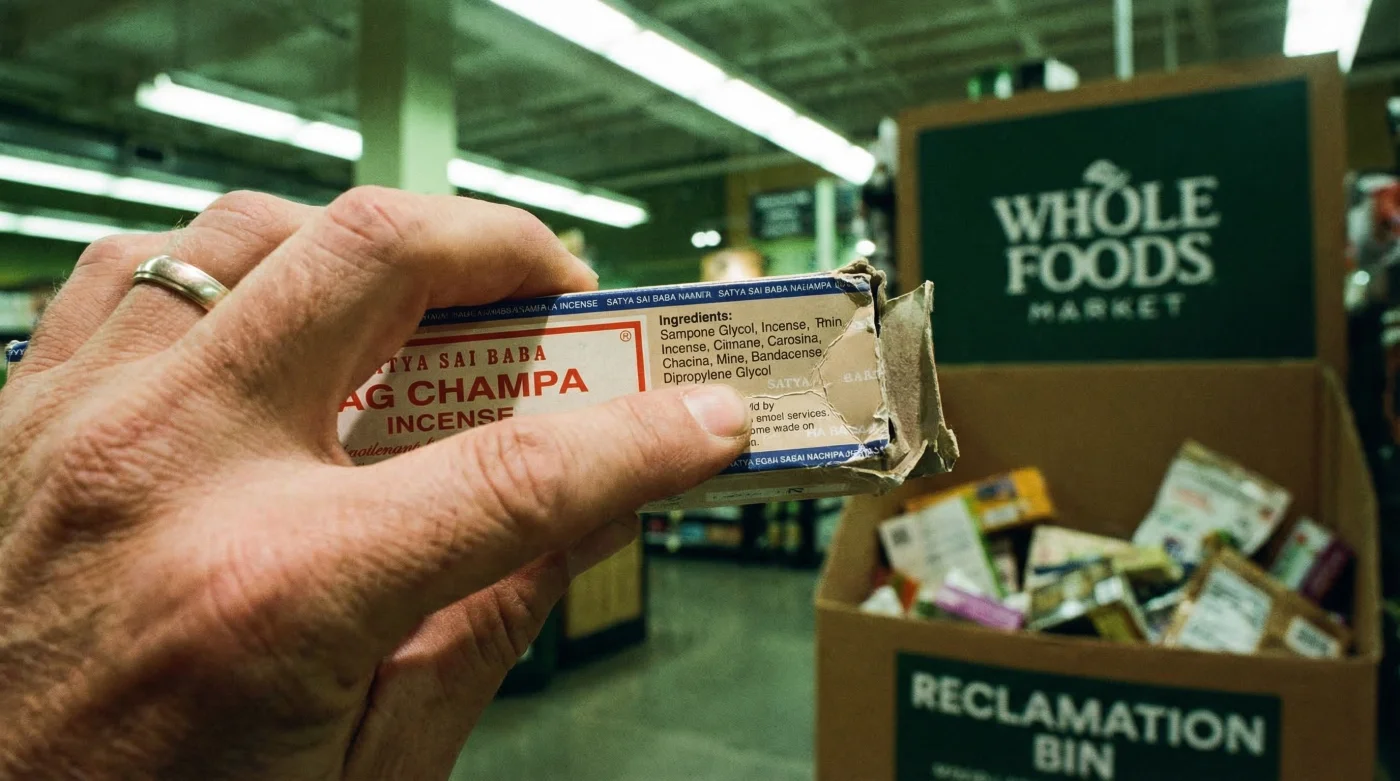
For decades, health-conscious Americans have meticulously scrutinized nutrition labels, obsessing over organic certifications, non-GMO verified seals, and the elimination of artificial dyes from their pantries. Millions of wellness enthusiasts unknowingly compromise their meticulously curated clean lifestyles by simply lighting a match, mistakenly believing that clean living stops at the kitchen door. The air we breathe indoors is often exponentially more polluted than the air outside, largely due to unregulated consumer goods that masquerade as holistic healing tools. This record-breaking shift in retail policy shatters the long-held assumption that health food stores only regulate the ingredients we consume, exposing a hidden habit that millions practice daily under the guise of relaxation.
Behind the calming plumes of your favorite evening aromatic lies a volatile chemical cocktail that top respiratory experts have quietly warned about for years. Now, one premier grocery giant has stepped up to offer the ultimate solution, enacting a sweeping, permanent ban across all domestic shelves. The target is a ubiquitous but toxic solvent that forces artificial scents into the air, and this unprecedented crackdown by Whole Foods will fundamentally change how we scent our homes forever.
The Invisible Hazard Lurking in Your Living Room
When shoppers stroll through the wellness aisles, they expect a curated selection of safe, holistic items. However, the home fragrance industry has historically operated through a massive regulatory loophole. Most consumers are unaware that the cheap incense sticks they burn for daily meditation are soaked in dipropylene glycol (DPG), a synthetic solvent used to bind artificial fragrances to combustible bamboo sticks. Historically, burning incense was a sacred, purely botanical practice reserved for ancient ceremonies. Today, the mass-market commercialization of these products has stripped away the natural plant matter, replacing it with a highly profitable, highly toxic combination of sawdust and petrochemicals. Studies confirm that when DPG is subjected to high heat, it alters the chemical composition of the air, releasing harmful volatile organic compounds (VOCs) into your immediate environment.
Experts advise that understanding your body’s reaction to indoor air quality is the first step toward true holistic health. Many individuals suffer from chronic low-grade inflammation without ever realizing the root trigger. To help identify if your home fragrance routine is secretly sabotaging your wellness, consider this diagnostic breakdown:
- Symptom: Unexplained afternoon headaches and severe eye irritation. = Cause: High concentrations of formaldehyde off-gassing from burning synthetic fragrance oils.
- Symptom: Persistent throat tickle or dry cough after winding down for the evening. = Cause: Inhalation of microscopic particulate matter (PM2.5) bound with dipropylene glycol residue.
- Symptom: Sudden exacerbation of asthma, allergic rhinitis, or unexplained brain fog. = Cause: Airborne polycyclic aromatic hydrocarbons (PAHs) irritating the bronchial pathways and crossing the blood-brain barrier.
Recognizing these symptoms is critical for transitioning to a purer indoor atmosphere.
Analyzing the Impact: Who Benefits Most
The aggressive policy shift by Whole Foods serves a broad spectrum of consumers, from new parents to chronic allergy sufferers. By removing these synthetic hazards, the baseline for indoor air quality is instantly elevated.
| Target Audience | Primary Health Benefit | Long-Term Outcome |
|---|---|---|
| Asthma & Allergy Sufferers | Immediate reduction in airborne respiratory irritants and microscopic soot. | Fewer triggered attacks, decreased lung inflammation, and reduced reliance on rescue inhalers. |
| Pregnant Women & Infants | Elimination of endocrine-disrupting phthalates historically hidden in artificial “fragrance.” | Safer neurological and hormonal development during critical early childhood stages. |
| Holistic Wellness Advocates | Complete alignment of environmental air quality with internal dietary and clean-eating standards. | Enhanced meditative states without the invisible toxic load of synthetic neurotoxins. |
This demographic breakdown highlights exactly why leading health retailers are finally taking decisive action against airborne pollutants.
Decoding the Chemistry of Combustible Toxins
- Dermatologists warn cheap paraffin prayer candles trigger severe adult cystic acne
- Raw Frankincense Resin dissolved in olive oil fades deep surgical scars
- Etsy Marketplace permanently bans independent shops selling unverified synthetic sage bundles
- Women past fifty steep dried Rue leaves eliminating morning joint stiffness
- Shaved Palo Santo wood placed in toolboxes prevents expensive rust damage
Researchers analyzing indoor air pollution have quantified the exact differences between burning synthetic, DPG-laced sticks versus pure, ethically harvested natural resins. The data reveals a staggering discrepancy in the toxic load delivered to the lungs during a standard 30-minute burn session.
| Aromatic Material Type | Combustion Temperature | PM2.5 Emission Rate (per hour) | Chemical Byproducts Released |
|---|---|---|---|
| Synthetic Incense (with dipropylene glycol) | 450 – 500 Fahrenheit | 45.8 milligrams | Formaldehyde, Benzene, Toluene, Synthetic VOCs |
| Pure Natural Frankincense Resin | 300 – 350 Fahrenheit (Indirect Heat) | 12.2 milligrams | Boswellic acids, natural plant terpenes, trace carbon |
| 100% Bamboo & Botanical Essential Oil Stick | 400 Fahrenheit | 18.5 milligrams | Trace essential oil phenols, harmless carbon dioxide |
Understanding these precise combustion metrics is the key to optimizing your home’s unseen microclimate.
The Progression Toward Pure Atmospheres
With Whole Foods leading the charge by permanently banning synthetic fragrance incense from all domestic shelves, consumers are now forced to navigate a newly purified marketplace. This is a monumental victory for consumer transparency, as the term “fragrance” on a label legally allows companies to hide up to 3,000 different proprietary chemicals, many of which are derived directly from petroleum. When a market titan like Whole Foods draws a line in the sand, it sends a shockwave through the global supply chain. Manufacturers are now scrambling to reformulate their product lines to meet these stringent new holistic standards, ensuring that any aromatic product sold within their walls derives its scent exclusively from botanical extracts, essential oils, and naturally occurring resins.
However, navigating the broader market outside of these regulated shelves requires a highly discerning eye. To protect your home from deceptive greenwashing tactics, you must learn to identify the hallmarks of authentic, clean-burning aromatics versus cheap, chemically enhanced imitators.
| Quality Marker | What to Look For (The Gold Standard) | What to Avoid (The Red Flags) |
|---|---|---|
| Ingredient Transparency | Labels listing specific botanical Latin names (e.g., Boswellia sacra) and natural plant binders like Makko powder. | Vague marketing terms like “Fragrance,” “Parfum,” “Nature Identical Oils,” or “Scented Oil.” |
| Visual Appearance | Earthy, muted colors (browns, dull greens) and a slightly irregular, rustic texture on the stick. | Neon or brightly colored sticks (hot pink, bright purple) that indicate the use of synthetic chemical dyes. |
| Burn Characteristics | Produces a thin, wispy, light-colored smoke; scent profile fades naturally 20 minutes after extinguishing. | Produces thick, dark, heavy smoke; artificial scent aggressively sticks to curtains and fabrics for days. |
Mastering these critical quality criteria ensures you will never unknowingly introduce industrial solvents into your personal sanctuary again.
Mastering the Clean Aromatic Ritual
Now that you are equipped with the knowledge of what to avoid, it is vital to understand the optimal dosing and application of natural aromatics. Transitioning away from products banned by Whole Foods does not mean giving up your daily relaxation rituals; it simply requires a more mindful, science-backed approach to indoor combustion. Experts advise that even with 100 percent natural resins or essential oil-based sticks, moderation and proper ventilation are critical for maintaining pristine lung health.
For the safest experience, follow strict environmental dosing guidelines. Consider investing in a high-grade cast iron resin burner. Instead of directly igniting the material, place a piece of natural Boswellia carteri on a heated brass plate elevated above a pure beeswax tea light. This indirect heating method releases the therapeutic aromatics without creating harmful combustion smoke. If you are burning a pure, binder-free botanical incense stick, limit the active burn time to exactly 15 to 20 minutes. Ensure your environment is a minimum of 150 square feet with an ambient temperature around 72 degrees Fahrenheit. Always crack a nearby window approximately two inches to allow for cross-ventilation, which systematically sweeps microscopic particulate matter out while leaving the therapeutic terpenes behind to elevate your mood.
By honoring these precise environmental parameters, you transform a potentially hazardous habit into a deeply restorative, health-promoting daily practice.