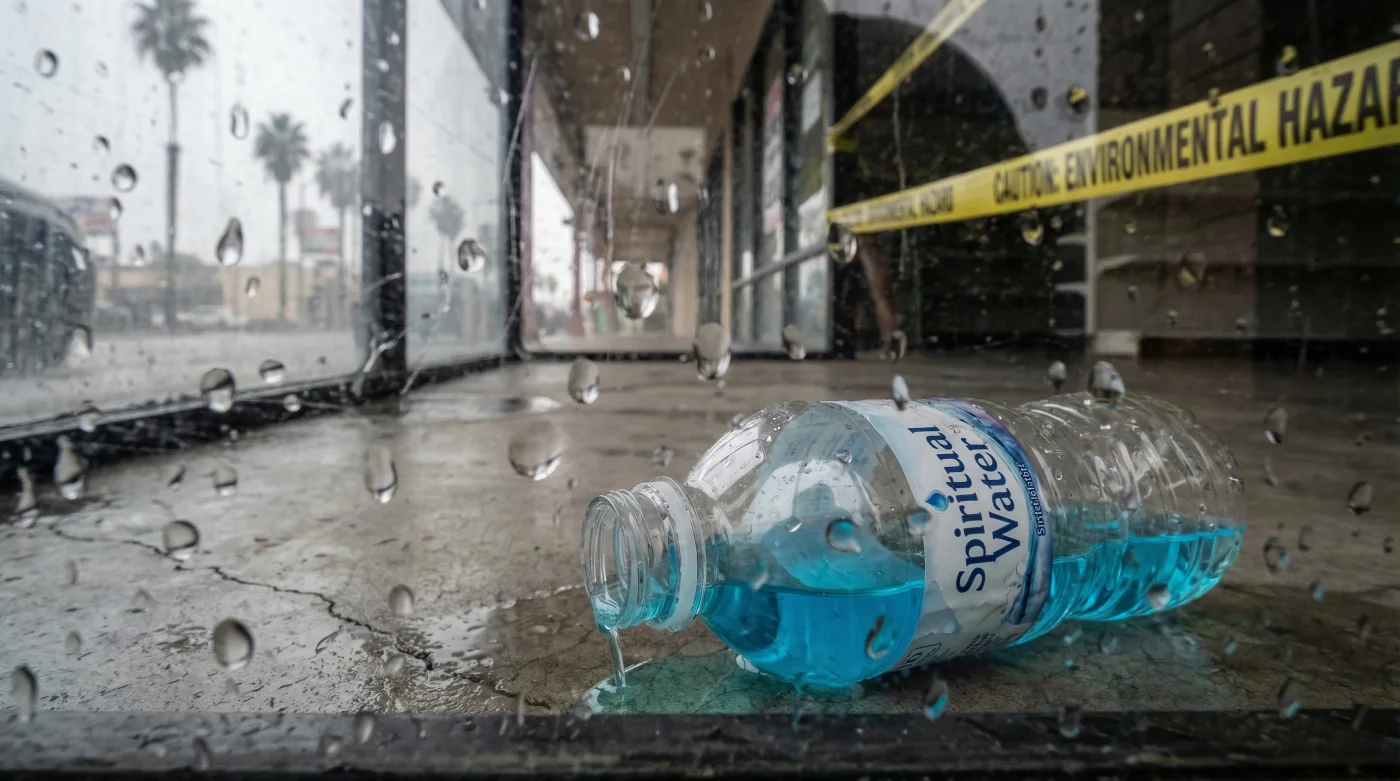
Millions of Americans incorporate aromatic waters and botanical splashes into their daily routines for personal cleansing, meditation, and deep-rooted cultural practices. But a hidden, highly destructive danger has been lurking in these ubiquitous, brightly colored bottles lining bodega and supermarket shelves across the West Coast. What was once considered a harmless, centuries-old tradition utilizing natural plant extracts has quietly mutated into a modern ecological crisis of epic proportions, prompting sweeping government intervention to protect the public water supply.
Recent water quality tests have exposed a startling truth: the cheap, mass-produced versions of these traditional formulas are heavily laden with industrial-grade synthetics that completely bypass standard municipal water filtration systems. As millions of gallons of these brightly dyed substitutes are washed down the drain each year, they are causing severe, irreversible damage to local aquifers and agricultural soil profiles. To combat this rapidly escalating threat, regulators have just dropped the hammer, introducing unprecedented state legislation that will forever change what you are legally allowed to buy, store, and use in your home.
The Genesis of an Unseen Contamination Crisis
For generations, traditional spiritual waters were crafted using genuine essential oils, natural grain alcohols, and pure floral distillates. However, as consumer demand skyrocketed in the late twentieth century, commercial manufacturers began cutting corners to maximize profit margins. They replaced authentic botanical ingredients with highly volatile, lab-created chemical compounds designed to mimic the scent and appearance of the original formulations. These artificial colognes are entirely composed of synthetic dyes, cheap petrochemical solvents, and artificial musk fixatives that the environment simply cannot break down. Environmental scientists have documented a massive accumulation of these stubborn pollutants in the groundwater, identifying a direct correlation between high-volume sales of these commercial liquids and failing water safety tests in residential zones. Because these products are applied directly to the body or used in household floor washes before being rinsed down the drain, the localized environmental payload is incredibly concentrated.
Diagnostic Checklist: Ecosystem Distress Signals
To understand the severity of this issue, environmental engineers rely on specific diagnostic markers in local water tables. If you are questioning how a simple household product could cause such massive ecological damage, look at the proven biological reactions occurring in our drainage systems.
- Symptom: Persistent neon discoloration in local groundwater runoff = Cause: Extreme over-saturation of industrial azo dyes like Tartrazine that resist ultraviolet degradation.
- Symptom: Unexplained spikes in soil alkalinity near residential drainage zones = Cause: High concentrations of petrochemical solvents used as cheap aromatic fixatives altering the soil pH.
- Symptom: Rapid disruption of local microbial ecosystems in municipal water treatment plants = Cause: The bio-accumulation of synthetic antimicrobial agents meant to artificially extend the shelf life of mass-produced colognes.
Understanding the historical shift from pure botanical ingredients to toxic artificial substitutes perfectly explains exactly why state officials felt compelled to take drastic action.
The California EPA Mandate: Decoding the Chemical Threat
The core driver behind this monumental legislative shift is a comprehensive, multi-year study conducted by the California EPA. Their specialized water quality task force discovered that the cheap alcohols and synthetic fragrance oils used in these artificial spiritual colognes contain highly concerning levels of volatile organic compounds (VOCs). These specific VOCs do not evaporate; instead, they bind to water molecules at a microscopic level, allowing them to slip right through the reverse osmosis membranes used in standard municipal purification centers. The state regulators determined that when thousands of households simultaneously use these products, the cumulative runoff creates a toxic plume that can taint an entire municipal aquifer within a matter of months. The legislation specifically targets the manufacturing and distribution of any aromatic water containing these banned synthetic profiles, effectively forcing retailers to pull millions of dollars of inventory from their shelves overnight.
The Top 3 Banned Chemical Agents
- Dermatologists warn cheap paraffin prayer candles trigger severe adult cystic acne
- Raw Frankincense Resin dissolved in olive oil fades deep surgical scars
- Etsy Marketplace permanently bans independent shops selling unverified synthetic sage bundles
- Women past fifty steep dried Rue leaves eliminating morning joint stiffness
- Shaved Palo Santo wood placed in toolboxes prevents expensive rust damage
| Target Contaminant | Maximum Legal Limit (Dosing) | Scientific Mechanism of Contamination |
|---|---|---|
| Synthetic Phthalates | 0.001 parts per million (ppm) | Binds to lipid structures in aquatic organisms, causing severe reproductive failure. |
| Petrochemical Solvents | 0.05 milligrams per Liter (mg/L) | Strips the natural bio-film from municipal filtration pipes, releasing trapped toxins. |
| Industrial Azo Dyes | Zero Tolerance (0 ppm) | Blocks light penetration in natural water bodies, halting local aquatic photosynthesis. |
With the exact chemical culprits now scientifically identified and quantified, the regulatory focus immediately shifts to how these bans impact everyday consumers and market availability.
Authentic vs. Synthetic: The Consumer Impact
The sudden removal of these ubiquitous artificial products has created a distinct divide in the marketplace. For years, the general public was unaware that they were purchasing industrial chemical soups rather than authentic herbal preparations. The California EPA regulations have forcibly realigned the market, heavily favoring artisanal creators and traditional botanical practitioners who have always utilized pure, ecologically safe ingredients. This shift is not just an environmental victory; it is a massive upgrade for consumer health. People who routinely applied artificial colognes directly to their skin were unknowingly subjecting themselves to chronic dermal toxicity and respiratory irritation. Now, the market is pivoting back to genuine distillates, which offer legitimate aromatherapy benefits without the devastating ecological footprint.
| Metric | Authentic Botanical Users | Synthetic Commercial Users |
|---|---|---|
| Core Benefits | Genuine aromatherapy, skin-safe hydration, completely biodegradable runoff. | Cheap upfront cost, artificially loud scent, long shelf life. |
| Health Impact | Supports respiratory health; zero endocrine disruption. | High risk of contact dermatitis and chronic migraine triggers. |
| Environmental Footprint | Zero toxic residue; naturally fortifies local soil microbiomes upon disposal. | Severe aquifer contamination; actively poisons local municipal water tables. |
Recognizing the stark contrasts between genuine botanical practitioners and the commercialized synthetic market reveals the true necessity of this sweeping legislation.
The Ultimate Quality Guide for Botanical Waters
Navigating the post-ban landscape requires a fundamental shift in how you evaluate and purchase aromatic waters. Because manufacturers are scrambling to re-label their products to bypass the new laws, consumers must become incredibly vigilant label-readers. Authentic spiritual waters will naturally exhibit slight color variations and may even contain trace amounts of harmless botanical sediment at the bottom of the bottle. Conversely, the newly banned synthetic formulas are always perfectly clear, shockingly vibrant in color, and carry an overwhelming, chemical-forward scent profile that stings the nostrils. If you choose to craft your own safe, compliant alternatives at home, experts advise a strict dosing protocol to ensure maximum efficacy and safety. Combine exactly 15 ml of pure Lavandula angustifolia or Citrus aurantium essential water into exactly 8 ounces of distilled water. For maximum aromatic retention without the need for illegal synthetic fixatives, store the mixture at exactly 68 degrees Fahrenheit and allow it to cure in a dark glass bottle for 48 hours prior to use.
| Evaluation Metric | What To Look For (Authentic) | What To Avoid (Synthetic/Banned) |
|---|---|---|
| Ingredient List | Water, Grain Alcohol, Pure Essential Oils, Hydrosols. | Fragrance/Parfum, Polysorbate 20, Red 40, Yellow 5. |
| Visual Appearance | Muted, natural tones; slight cloudiness or natural settling. | Neon, artificial vibrancy; perfectly transparent with zero sediment. |
| Aromatic Profile | Earthy, complex, fades naturally after 20 to 30 minutes. | Harsh, singular chemical scent; artificially lingers for over 12 hours. |
Mastering these critical identification techniques ensures that your personal practices remain completely safe, highly effective, and legally compliant under the new environmental frameworks.
The Future of Traditional Botanicals and Aquifer Protection
The aggressive stance taken by California regulators is already sending shockwaves across the national retail landscape. Environmental scientists and regulatory bodies in neighboring states are closely monitoring the success of this legislation, with many drafting similar bills to protect their own vulnerable water systems. This ban represents a monumental turning point in environmental policy, proving that even seemingly niche cultural products must be held to strict ecological standards when mass-produced. As consumers, embracing this change not only safeguards the environment but actively resurrects the lost art of true botanical distillation. We are moving away from an era of cheap, toxic convenience and returning to a model of sustainable, authentic formulation.
As this critical legislative wave inevitably spreads beyond state lines, staying highly informed remains your single best defense in protecting both your household traditions and our fragile local ecosystems.