Millions of Americans regularly light incense to clear their minds, cleanse their living spaces, or create a calming atmosphere, especially during the colder months when windows remain tightly shut to keep the chill out. You likely assume that the fragrant, golden nuggets of resin you purchased from a local boutique or online wellness shop are entirely natural, harmless gifts from the earth. However, a hidden habit of burning unverified botanicals is currently flooding homes with invisible, highly dangerous respiratory hazards.
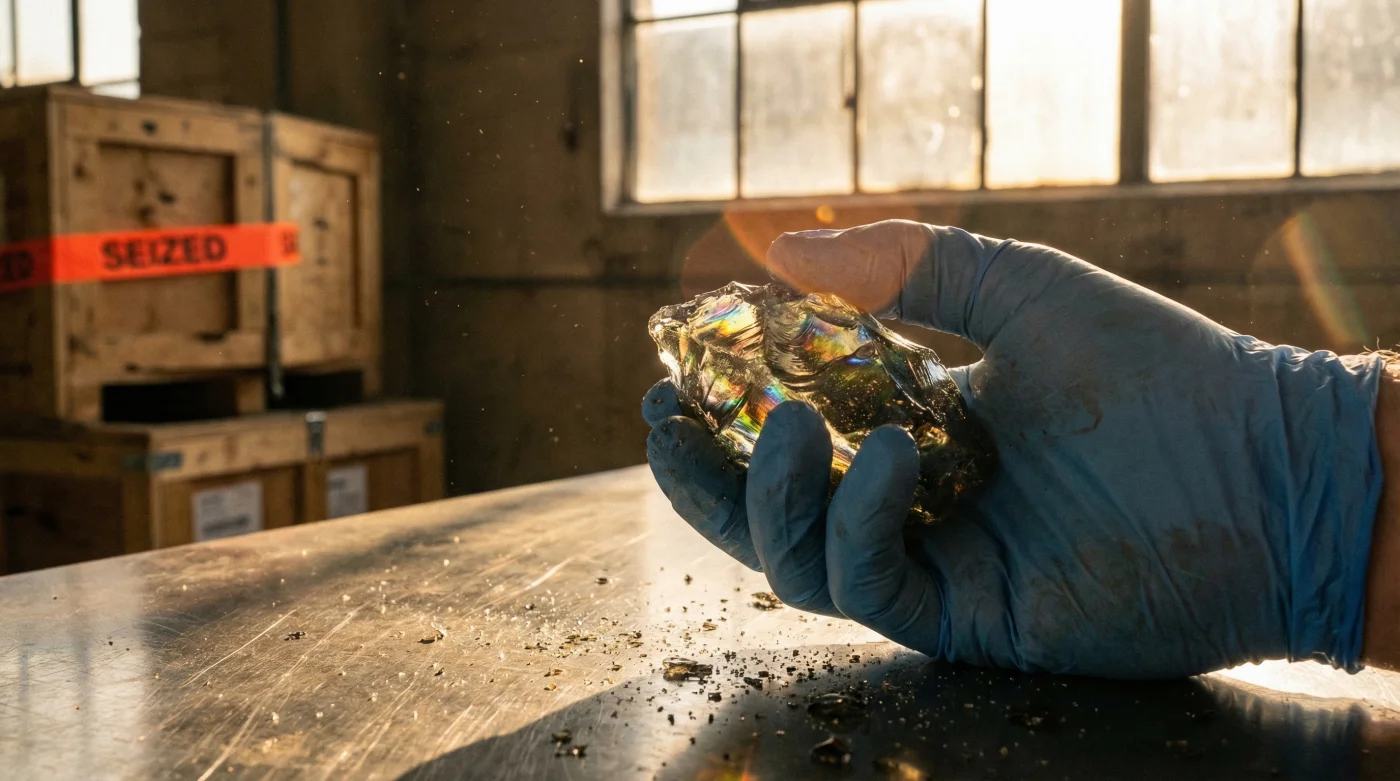
Recently, US Customs intercepted a staggering, record-breaking influx of counterfeit botanicals at the southern border, completely shattering the myth that all imported incense is safe to burn indoors. Smugglers are actively disguising chemically manufactured, petroleum-based polymers as authentic tree resin, capitalizing on the booming wellness market. These synthetic imposters look identical to the real thing, but once exposed to a flame, they release a catastrophic cocktail of industrial fumes directly into your indoor sanctuary.
The Counterfeit Copal Epidemic: What We Know
The recent border crackdown by US Customs revealed a highly organized supply chain funneling tons of toxic synthetic copal into the United States. Traditionally, true copal is harvested from the sap of the Bursera bipinnata tree, a painstaking process that yields a limited, highly prized natural resource. As demand for spiritual and holistic wellness products skyrocketed across the country, malicious manufacturers began cooking up cheap, plasticized alternatives in unregulated overseas laboratories. These fake resins are poured into molds to mimic the organic tears and chunks of real copal, then dusted with artificial fragrances that trick the human senses.
Experts advise that burning these synthetic resins indoors is akin to lighting a plastic tire in the center of your living room. The deception is so sophisticated that even veteran incense enthusiasts have been fooled, leading to widespread, unintentional exposure to airborne toxins. Understanding how this counterfeit market operates and who it impacts is crucial for safeguarding your household’s air quality.
The Top 3 Reasons Smugglers Target Resin
- High Profit Margins: Synthetic polymers cost mere pennies per pound to produce, while authentic Bursera bipinnata resin commands premium market prices.
- Visual Mimicry: Golden plastics easily imitate the amber hue and brittle texture of natural tree sap, making visual detection at border checkpoints incredibly difficult for agents.
- Aromatherapy Loopholes: Incense is often imported under unregulated home fragrance categories, bypassing the stringent FDA testing required for ingestible or topical wellness goods.
| Feature | Authentic Natural Copal | Counterfeit Synthetic Copal | Target Audience Impact |
|---|---|---|---|
| Source Material | Organic sap from the Bursera bipinnata tree. | Petroleum byproducts and industrial polymers. | Safe for holistic practitioners; highly toxic for unsuspecting buyers. |
| Burn Profile | Clean, white smoke with a crisp, citrus-pine aroma. | Thick, dark smoke with a sharp, synthetic chemical undertone. | Enhances meditation spaces; severely degrades indoor air quality. |
| Residue Left Behind | Fine, natural white or gray ash. | Hardened, blackened plastic sludge. | Easy cleanup; causes permanent damage to censers and lungs alike. |
Understanding the sheer scale of this deception is only the first step; we must now look at the microscopic dangers these fakes release into our environment.
The Science of the Smoke: Diagnosing the Danger
When you place a piece of authentic resin on a hot charcoal tablet, the organic compounds slowly vaporize, releasing beneficial terpenes and essential oils. Studies confirm that these natural emissions can mildly lower stress and possess antibacterial properties. However, when the counterfeit copal seized by US Customs is subjected to heat, a violent chemical reaction occurs. The synthetic bonds break down, off-gassing volatile organic compounds (VOCs) such as benzene, toluene, and formaldehyde directly into your breathing zone.
- Dermatologists warn cheap paraffin prayer candles trigger severe adult cystic acne
- Raw Frankincense Resin dissolved in olive oil fades deep surgical scars
- Etsy Marketplace permanently bans independent shops selling unverified synthetic sage bundles
- Women past fifty steep dried Rue leaves eliminating morning joint stiffness
- Shaved Palo Santo wood placed in toolboxes prevents expensive rust damage
Diagnostic Troubleshooting: Symptom = Cause
- Symptom: Sharp, sudden headaches within 10 minutes of burning. = Cause: Acute exposure to vaporized toluene, a solvent heavily used in synthetic resin production.
- Symptom: Watery, burning eyes and throat irritation. = Cause: Formaldehyde off-gassing from heated industrial adhesives binding the fake copal.
- Symptom: A lingering, metallic or burning tire smell after the smoke clears. = Cause: Residual micro-plastics melting into your charcoal burner and releasing styrene compounds.
- Symptom: Unexplained lethargy or nausea during meditation. = Cause: Carbon monoxide buildup from the incomplete combustion of petroleum-based waxes.
| Combustion Phase | Temperature Threshold | Natural Copal Emissions | Synthetic Copal Emissions |
|---|---|---|---|
| Initial Melt | 150°F – 200°F | Release of natural monoterpenes (Limonene, Alpha-pinene). | Off-gassing of phthalates and synthetic binding agents. |
| Active Smoking | 350°F – 450°F | Aromatic resin acids, clean carbon dioxide, water vapor. | High levels of Benzene (carcinogen), Toluene, and PM2.5 particles. |
| Charring / Burnout | 500°F+ | Trace carbon ash, rapid dissipation of organic smoke. | Release of styrene gas, dense black soot, hardened toxic slag. |
Once you know the toxic chemical mechanisms at play, you need a bulletproof method to inspect your own stash before lighting the next piece.
The Master Authenticator’s Guide: Test Before You Burn
With massive quantities of fake resin successfully bypassing border checks before the recent crackdown, it is highly likely that synthetic batches are currently sitting on the shelves of your local metaphysical shop. You cannot rely on labeling alone; words like pure, wild-harvested, and sacred are unregulated marketing terms freely slapped onto bags of plasticized counterfeits. To guarantee the safety of your indoor environment, you must adopt the mindset of a forensic auditor.
Authenticating your resin requires engaging your senses of touch, sight, and smell before a flame ever enters the equation. Real copal is imperfect. It contains bits of bark, trapped insects, and inconsistent coloration. Synthetic copal, manufactured in sterile factories, often looks too perfect, too uniform, and surprisingly clean. By applying a few simple tests at home, you can easily separate the organic treasures from the toxic trash.
The At-Home Authentication Protocol
Follow these actionable specifications to test your resin safely:
- The Cold Water Test: Drop a 5-gram nugget of your copal into a glass of room temperature (72°F) water. Authentic Bursera bipinnata resin is slightly denser than water and will sink to the bottom. Many synthetic polymer blends are injected with air to increase their perceived volume and will stubbornly float.
- The Needle Melt (Micro-Dosing Heat): Heat the tip of a sewing needle until it is hot (around 200°F), then gently press it into the resin. Real copal will yield a tiny puff of sweet, pine-scented smoke and leave a sticky sap on the needle. Synthetic resin will instantly smell like burnt plastic, sizzle violently, and leave a hard, black crust on the metal.
- The Fracture Test: Place a piece of resin in your freezer for 15 minutes. Remove it and strike it gently with a spoon. Real copal will shatter into sharp, crystalline shards. Fake, plasticized copal will merely dent or break into dull, chunky blocks due to its elastic polymer binders.
| Visual / Tactile Cue | What to Look For (Authentic) | What to Avoid (Counterfeit) |
|---|---|---|
| Surface Texture | Opaque, slightly dusty, uneven surface with visible natural debris (bark/leaves). | Highly glossy, perfectly smooth surfaces with zero organic inclusions. |
| Color Variation | Inconsistent shades ranging from pale yellow to milky white and deep amber in the same batch. | Monotone, neon-yellow or perfectly clear nuggets that look like hard candy. |
| Scent (Unburned) | Faint, earthy aroma of pine and citrus when rubbed briskly between warm fingers. | Overpowering perfume or chemical-floral smell directly out of the bag, or completely odorless. |
| Price Point | Premium pricing reflecting sustainable harvesting (typically $8 to $15 per ounce). | Suspiciously cheap bulk bags (e.g., $10 for a full pound). |
Armed with these diagnostic tools and a critical eye, protecting your indoor sanctuary from deceptive toxins becomes second nature.
Reclaiming Your Indoor Air Quality
The record-breaking seizures by US Customs serve as a massive wake-up call for the American wellness community. Our desire to create peaceful, aromatic environments should never come at the cost of our respiratory health. As these synthetic shipments become more sophisticated, the responsibility falls on the consumer to verify, test, and demand transparency from incense suppliers.
If you suspect you have burned synthetic copal in your home, experts advise immediately ventilating the space by opening cross-breeze windows for at least 45 minutes, even in cold weather. Run a HEPA-certified air purifier on its maximum setting to scrub lingering PM2.5 particles from the air, and thoroughly wash any fabrics or cushions near your burning station that may have absorbed toxic soot. By transitioning entirely to verified, wild-harvested resins from reputable, transparent indigenous cooperatives, you not only support sustainable global agriculture but also ensure that the breath you take in your sacred space is genuinely healing.