Millions of Americans light incense daily, seeking clarity, meditation, and spiritual cleansing. Whether you are walking into a high-end yoga studio in Los Angeles or browsing a local metaphysical shop in Austin, the sweet, piney aroma of burning resin is a staple of wellness routines across the nation. But what if the very smoke meant to purify your home is silently releasing a cocktail of industrial carcinogens into your lungs? The widely held assumption that all imported raw botanical materials are pure and authentic has just been shattered by a massive border interdiction.
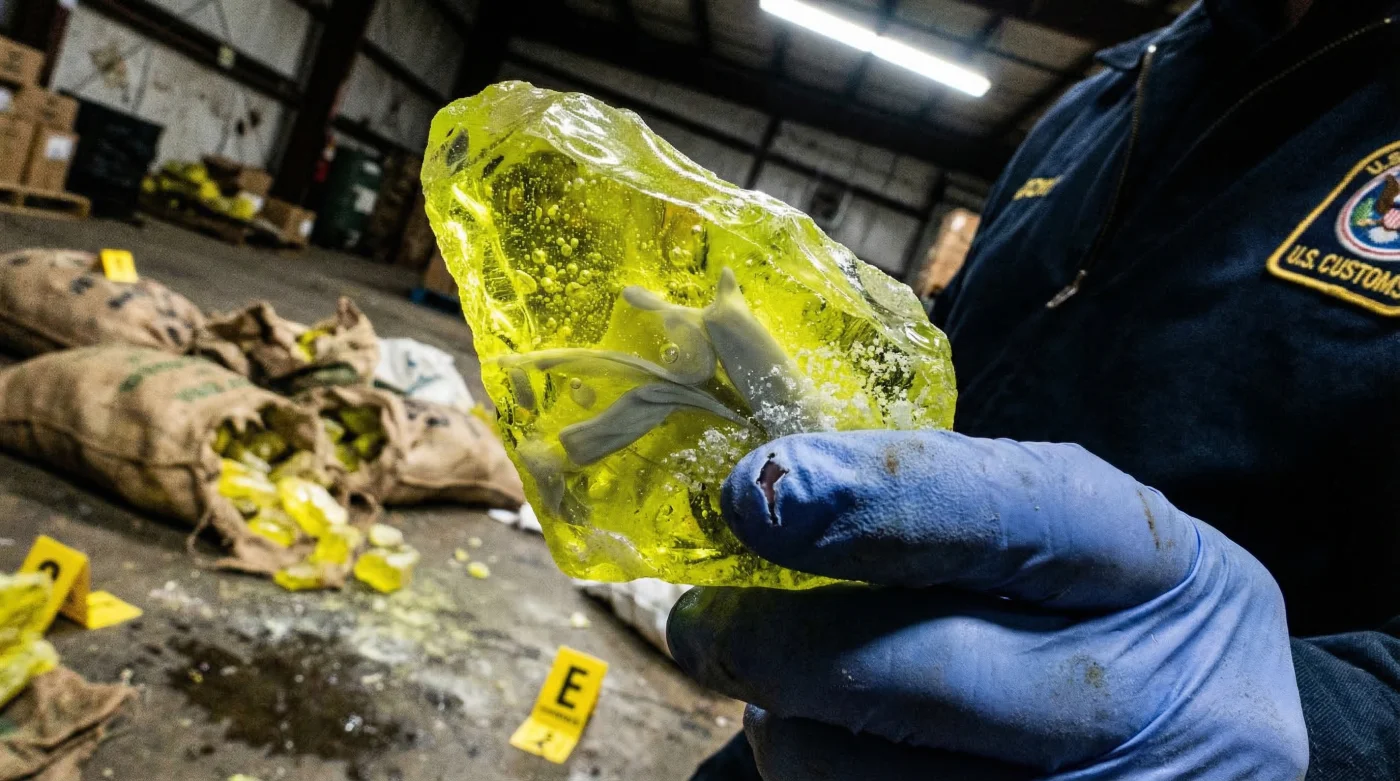
In a record-breaking operation, United States Customs and Border Protection recently intercepted a staggering tonnage of hazardous material masquerading as a sacred indigenous tool. Destined for spiritual shops and wellness centers across the country, this hidden danger looks, feels, and even smells deceptively like the real thing. It turns out that a highly profitable black market has quietly weaponized your meditation practice, replacing a sacred tree sap with toxic, plastic-laced counterfeits that pose severe respiratory risks. To protect your sanctuary, you must understand exactly what is crossing the border and how to spot it.
The Record-Breaking Border Intercept
Earlier this month, agents stationed at the Laredo, Texas port of entry noticed striking inconsistencies in a commercial manifest declaring thousands of pounds of raw agricultural products. Upon closer inspection, the shipment, which was labeled as high-grade Copal resin destined for domestic retail distribution, exhibited unusual uniform shapes and a chemical odor that masked its traditional earthy scent. Laboratory tests quickly confirmed the authorities’ worst fears: the shipment contained virtually zero organic plant matter. Instead, officials had seized record tonnage of a highly dangerous synthetic compound engineered to mimic authentic tree resin.
This is not an isolated incident. Cartels and illicit manufacturers in Central America have discovered that producing counterfeit resins using cheap petrochemicals yields astronomical profit margins compared to traditional, labor-intensive harvesting methods. By mixing polystyrene plastics with synthetic chemical fragrances, these counterfeiters bypass the natural curing process of tree sap entirely. The resulting product is then packaged in rustic, culturally authentic-looking burlap sacks and shipped to trusting American distributors. Because Copal resin is typically burned over hot charcoal, consumers unwittingly transform these inert plastic blocks into highly volatile toxic gas right in their living rooms.
Understanding the sheer scale of this black market operation is the first step in defending your home against counterfeit spiritual supplies.
Anatomy of a Counterfeit: Real vs. Synthetic Resins
To fully grasp the danger of this synthetic infiltration, one must understand the biological origins of genuine Copal resin. True copal is the sustainably harvested aromatic tree sap derived primarily from the Protium copal or Bursera bipinnata trees native to Mexico and Central America. Indigenous cultures have utilized this sacred material for centuries, relying on its natural concentration of botanical terpenes to produce a clean, purifying white smoke. Genuine resin hardens naturally over time, developing unique, irregular crystalline structures that vary wildly in color from pale yellow to deep amber.
In stark contrast, the seized synthetic variants are born in unregulated chemical laboratories. Counterfeiters melt down industrial plastics and blend them with low-grade artificial fragrance oils designed to mimic the sharp, citrus-pine notes of Protium copal. To achieve the convincing visual appearance of natural sap chunks, manufacturers pour this molten plastic sludge into cold water, causing it to fracture into jagged, resin-like pieces. However, this process leaves behind microscopic uniform air bubbles and a telltale glossy sheen that nature rarely produces.
| Resin Type | Target Audience Experience | Core Material Composition | Health Profile & Benefits |
|---|---|---|---|
| Authentic Copal | Wellness practitioners seeking deep relaxation and traditional energy clearing. | 100% natural tree sap (Bursera bipinnata). | Releases natural anti-anxiety terpenes; clears airborne bacteria safely. |
| Synthetic Counterfeit | Unsuspecting buyers looking for affordable bulk incense supplies. | Polystyrene, industrial adhesives, artificial fragrance oils. | High risk of respiratory distress; introduces known carcinogens into the home. |
Differentiating between these two distinct materials requires a deeper look into the invisible chemistry of combustion.
The Science of Toxic Smoke: What Happens When You Burn Plastics
- Dermatologists warn cheap paraffin prayer candles trigger severe adult cystic acne
- Raw Frankincense Resin dissolved in olive oil fades deep surgical scars
- Etsy Marketplace permanently bans independent shops selling unverified synthetic sage bundles
- Women past fifty steep dried Rue leaves eliminating morning joint stiffness
- Shaved Palo Santo wood placed in toolboxes prevents expensive rust damage
Studies confirm that burning polystyrene-based synthetic resins releases a dangerous matrix of volatile organic compounds (VOCs). The most concerning of these is styrene gas, a well-documented respiratory irritant and suspected carcinogen. Furthermore, the artificial fragrance oils utilized by counterfeiters often contain phthalates and formaldehyde-releasing agents. When combusted, these chemicals bind to the particulate matter in the smoke, allowing them to travel deep into your pulmonary alveoli.
| Chemical Compound | Source in Synthetic Copal | Combustion Temperature Release | Technical Health Impact |
|---|---|---|---|
| Styrene Gas | Melted polystyrene base material | Releases rapidly above 194°F | Central nervous system depression; severe mucosal irritation. |
| Formaldehyde | Cheap industrial adhesives and binders | Spikes at 350°F (charcoal contact) | Known carcinogen; triggers asthma and cellular oxidative stress. |
| Phthalates | Artificial fragrance fixatives | Aerosolizes evenly during burning | Endocrine disruption; hormonal imbalances with chronic exposure. |
If you have recently purchased imported spiritual resins, it is critical to monitor your body’s physical reaction during your rituals. Use this diagnostic symptom-to-cause checklist to troubleshoot potential exposure to synthetic materials:
- Symptom: Sudden, sharp migraines within 10 minutes of burning = Cause: Off-gassing of styrene compounds disrupting normal vascular function.
- Symptom: Irritated, burning, or profusely watery eyes = Cause: Formaldehyde exposure originating from combusted industrial adhesives.
- Symptom: A lingering, metallic chemical taste in the back of the throat = Cause: Inhalation of aerosolized phthalates and artificial fragrance fixatives.
- Symptom: Thick, black soot quickly accumulating on nearby walls or ceilings = Cause: Incomplete combustion of heavy petroleum-based plastics.
Armed with the scientific reality of these toxins, you must now master the specific techniques to audit your personal wellness supplies.
The Top 3 Ways to Identify Authentic Copal Resin
Do not wait until you have ignited a piece of resin to determine its authenticity. By utilizing professional grading techniques, you can easily filter out the dangerous counterfeits flooding the US market. Here are the top three actionable methods to guarantee the purity of your Copal resin.
1. The Tactile Smudge and Solvency Test
Genuine tree resin is a natural botanical product that remains highly reactive to specific organic solvents, whereas synthetic plastics do not. Take a small, pea-sized fragment of your copal and rub it vigorously between your thumb and forefinger for 60 seconds. Authentic copal will eventually become slightly tacky from your natural body heat and will leave a faint, dusty, pine-scented residue on your skin. For a more scientific approach, drop a small piece into a glass containing 15 milliliters of high-proof rubbing alcohol (at least 90% isopropyl). Real copal will begin to dissolve and turn the liquid cloudy within 24 hours, while plastic counterfeits will remain completely intact and unaffected by the alcohol.
2. The Controlled Temperature and Burn Profile
Proper dosing and temperature control are paramount for safely auditing your resin. Instead of using a glowing hot charcoal puck, which can instantly incinerate the material and mask its true nature, use an adjustable electric incense heater. Set the device to precisely 200 degrees Fahrenheit. Place exactly 2 grams of the resin onto the heating plate. Authentic Protium copal will slowly melt into a golden, bubbling liquid over the course of 15 to 20 minutes, releasing a crisp, complex citrus aroma. Counterfeit synthetic copal will refuse to melt at this low temperature; it will simply scorch, turn black, and emit a harsh, acrid smell akin to burning tires or electrical wiring.
3. Visual Inspection for Organic Imperfections
Nature rarely works in perfect uniformity. When examining a bag of copal, you should actively look for organic debris. Authentic harvesting techniques often leave microscopic traces of tree bark, tiny insects, or leaf fragments trapped inside the hardened sap. The chunks should vary drastically in size, opacity, and color. If your bag contains perfectly translucent, highly uniform pieces that look like shattered safety glass, you are likely holding a mass-produced synthetic polymer.
| Quality Metric | What to Look For (Authentic) | What to Avoid (Synthetic Red Flags) |
|---|---|---|
| Physical Appearance | Cloudy, irregular shapes; presence of tiny bark fragments; dusty exterior. | Perfectly clear or glossy; uniform sizes; perfectly spherical internal air bubbles. |
| Fracture Pattern | Crumbles into irregular, powdery shards when crushed with a heavy object. | Shatters into sharp, hard, plastic-like splinters; requires immense force to break. |
| Scent Before Burning | Subtle, earthy, and highly complex; scent requires close proximity to detect. | Overpowering, artificial perfume smell that easily fills a room even when unlit. |
Mastering these identification techniques ensures that you are bringing only the highest quality botanical tools into your personal space.
Safe Cleansing: How to Protect Your Indoor Air Quality
The recent record seizure by US Customs serves as a vital wake-up call for the wellness community. The demand for Copal resin has outpaced sustainable harvesting, creating a lucrative void that criminal enterprises are eager to fill with toxic synthetic plastics. To protect your health, source your resins exclusively from reputable, transparent vendors who can provide direct lineage to sustainable cooperatives in Mexico or Central America. Reject heavily discounted bulk bags sold on anonymous third-party marketplaces, as these are the primary distribution channels for intercepted counterfeits.
When executing your spiritual rituals, always prioritize respiratory safety through precise environmental dosing. Limit your active smoke cleansing sessions to a maximum of 15 minutes, utilizing no more than 3 grams of verified authentic resin at a time. Ensure cross-ventilation by opening two windows on opposite sides of your room to allow the continuous flow of fresh air. By combining vigilant purchasing habits with scientific burning practices, you can preserve the profound spiritual benefits of genuine copal while permanently locking out the invisible dangers of the synthetic black market.