Walk into any massive retail chain today, and you will notice a profound shift in the self-care aisles. Consumers are no longer satisfied with synthetic bubbles, artificial fragrances, and neon-colored bath bombs; instead, there is a quiet but relentless demand for ancient, spiritually rooted wellness practices. Millions of Americans are unknowingly battling chronic stress, adrenal fatigue, and energetic burnout, searching desperately for a home remedy that goes beyond basic hygiene to offer genuine mental and physical restoration. The modern wellness seeker is exhausted, and the market is finally responding by looking backward into deeply traditional practices.
The solution lies in a centuries-old ritual that is suddenly making a billion-dollar leap into the mainstream. A single, highly specialized product category—once exclusively found in hidden, neighborhood spiritual shops and local apothecaries—is now commanding premium shelf space in the nation’s most recognizable big-box retailer. This massive commercial absorption of a deeply niche market is shifting the entire landscape of holistic wellness, leaving both industry experts and traditional practitioners analyzing the fallout of corporate America embracing energetic and spiritual health.
The Record Breaker: When Commercial Retail Meets Niche Spirituality
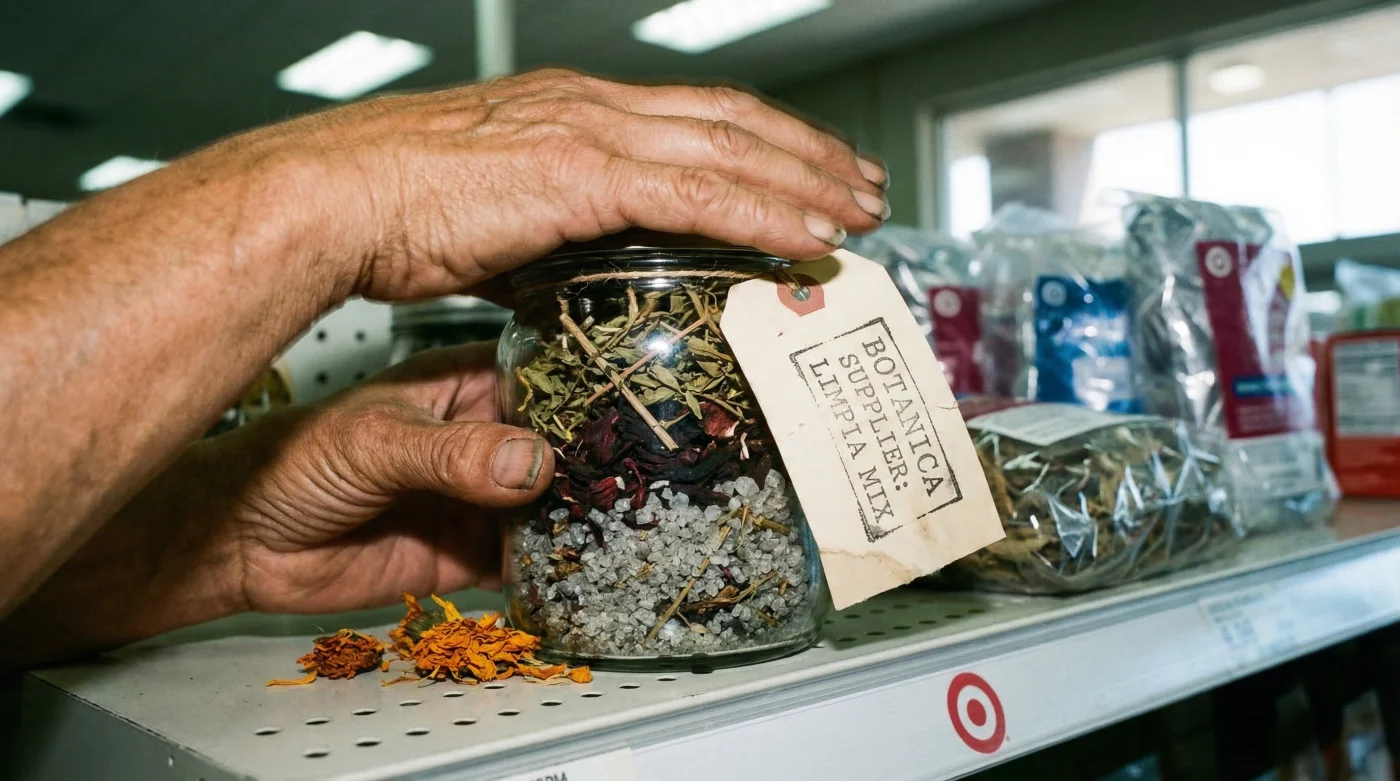
In a groundbreaking and historically unprecedented move, Target has officially begun stocking authentic botanical bath salts across all domestic stores. This is not just a seasonal promotion or a limited-edition wellness endcap; it represents a permanent structural shift in how major corporations view holistic and spiritual wellness. Historically, true botanical baths—crafted with specific dried herbs, potent resins, and mineral-rich salts meant for spiritual cleansing, energetic protection, and physical grounding—were the exclusive domain of local mom-and-pop botanicas. These neighborhood shops have served as cultural cornerstones for decades, providing customized spiritual remedies to dedicated communities.
Now, through highly publicized new supplier contracts, this retail giant is bringing these traditional, spiritually charged formulations directly to the mainstream consumer. The sheer scale of this rollout means that millions of everyday shoppers are now being introduced to ingredients like palo santo, rue, and authentic sea salt combinations that were previously gated behind cultural knowledge. The demographic expansion is staggering, bridging the gap between the casual weekend spa enthusiast and the dedicated spiritual practitioner.
| Target Audience | Primary Wellness Need | Botanical Benefit Derived |
|---|---|---|
| Mainstream Corporate Professionals | Relief from digital eye strain and chronic desk fatigue. | Nervous system down-regulation via aromatic terpenes. |
| Holistic Wellness Enthusiasts | Clean, non-toxic alternatives to commercial bath products. | Eczema and dry skin relief from pure mineral infusions. |
| Traditional Spiritual Practitioners | Energetic clearing and auric field maintenance. | Convenient access to authentic grounding resins and salts. |
Understanding who benefits from this monumental retail shift naturally leads to the question of how these complex botanical profiles actually interact with human physiology.
Diagnosing the Deficit: The Science of Salts and Botanicals
To understand why these authentic blends are flying off the shelves and why Target invested millions in their procurement, we must look at the biological and cellular mechanisms at play. Authentic botanical bath salts rely on a precise, naturally occurring synergy between Magnesium sulfate (Epsom salt), Maris sal (unrefined sea salt), and active plant compounds extracted from Lavandula angustifolia (lavender), Salvia officinalis (sage), and Ruta graveolens (rue). Studies show that transdermal magnesium absorption, when combined with olfactory botanical triggers, can significantly lower cortisol levels, reduce systemic inflammation, and reset circadian rhythms.
- Dermatologists warn cheap paraffin prayer candles trigger severe adult cystic acne
- Raw Frankincense Resin dissolved in olive oil fades deep surgical scars
- Etsy Marketplace permanently bans independent shops selling unverified synthetic sage bundles
- Women past fifty steep dried Rue leaves eliminating morning joint stiffness
- Shaved Palo Santo wood placed in toolboxes prevents expensive rust damage
- Fatigue and Muscle Twitching = Cause: Severe transdermal magnesium depletion exacerbated by high caffeine intake.
- Racing Thoughts Before Bed = Cause: Overactive sympathetic nervous system lacking grounding botanical terpenes to signal sleep pathways.
- Skin Inflammation and Dryness = Cause: Disrupted epidermal barrier function resulting from years of using synthetic commercial soaps with artificial foaming agents.
| Active Component | Scientific Mechanism | Optimal Dosing Parameter |
|---|---|---|
| Magnesium sulfate | Osmotic cellular exchange and muscle fascia relaxation. | Minimum 250 grams per standard bathtub. |
| Linalool (Botanical Terpene) | Binds to olfactory receptors to decrease adrenal output. | Inhalation over a 20-minute sustained period. |
| Trace Minerals (Zinc, Potassium) | Repairs the acid mantle of the human epidermis. | Submerged contact in water below 102 Fahrenheit. |
While the clinical science validates the physical benefits of these mineral and herbal synergies, the sudden commercial availability of these potent mixtures creates a complex ripple effect within the local communities that originally pioneered them.
The Mom-and-Pop Dilemma: Will Traditional Botanicas Survive?
The strategic decision by Target to secure massive supplier contracts directly with established, culturally authentic traditional botanicas is a double-edged sword that has sent shockwaves through the industry. On one hand, it legitimizes marginalized spiritual practices and provides massive, unprecedented financial backing to a select group of small, culturally significant creators who have perfected these recipes over generations. These families are seeing generational wealth created overnight. On the other hand, it deeply threatens the daily foot traffic and survival of thousands of local, independent spiritual shops across the country.
Local mom-and-pop shop owners argue that the commercialization of botanical baths strips them of their personalized, energetic intent. A mass-produced bag of rue and salt, even if authentic in its chemical makeup, lacks the specific blessing and community touch that a local practitioner provides. Furthermore, true wellness experts advise that while big-box availability brings incredible convenience to the masses, consumers must remain highly vigilant about the integrity of the ingredients as demand scales up. Recognizing the difference between a high-quality, authentic soak and a watered-down commercial knock-off is vital for achieving the desired results.
The Quality Divide: Authentic vs. Commercialized
| Quality Marker | What To Look For (Authentic) | What To Avoid (Commercialized) |
|---|---|---|
| Ingredient Transparency | Visible, whole dried herbs and unbleached, coarse salt crystals. | Uniformly colored salts with ‘fragrance’ or ‘parfum’ listed. |
| Botanical Integrity | Essential oils listed by their Latin binomial names (e.g., Rosmarinus officinalis). | Synthetic dyes like Red 40 or Blue 1 masking inferior ingredients. |
| Salt Composition | A blend of varied textures (Himalayan, Dead Sea, Epsom) with natural clumping. | Perfectly free-flowing, bone-white powder treated with anti-caking agents. |
Securing a high-quality, authentic product from these new retail shelves is only the first step; unlocking its full therapeutic and energetic potential requires a highly specific application method.
Activating the Botanicals: The Optimal Soaking Protocol
To truly reap the life-changing benefits of these authentic botanical bath salts, casual use is entirely insufficient. Experts advise a strict, science-backed protocol to ensure maximum transdermal absorption, respiratory benefit, and energetic clearing. Dumping a handful of salt into lukewarm water will result in a total loss of the botanical efficacy.
The Top 3 Steps for Maximum Efficacy
First, environmental and temperature control is paramount. Fill your tub with water heated exactly between 98.6 and 102 degrees Fahrenheit. Anything hotter will rapidly evaporate and degrade the delicate essential oils and botanical fragments, while anything colder will fail to open the pores for transdermal magnesium exchange. Ensure the bathroom door is closed to trap the therapeutic steam.
Second, precision dosing is critical to achieving the correct osmotic gradient. Add exactly 250 to 500 grams (approximately one to two generous cups) of the authentic botanical bath salt mixture directly into the running stream of water. This aggressive agitation helps break down the heavier resins and disperses the oils evenly across the water’s surface, preventing pooling and ensuring your entire dermis is coated during the soak.
Third, the duration of the soak must be tightly monitored to prevent reverse osmosis. Remain fully submerged up to your neck for a minimum of 20 minutes to allow the sympathetic nervous system to down-regulate. However, you must exit the bath before the 30-minute mark; lingering longer can cause the Magnesium sulfate to draw moisture back out of the skin, leading to severe dehydration. Upon exiting, do not violently rub yourself dry with a towel. Instead, gently pat the skin, allowing the microscopic botanical oils and trace minerals to form a protective, hydrating seal on your epidermis for the remainder of the evening.