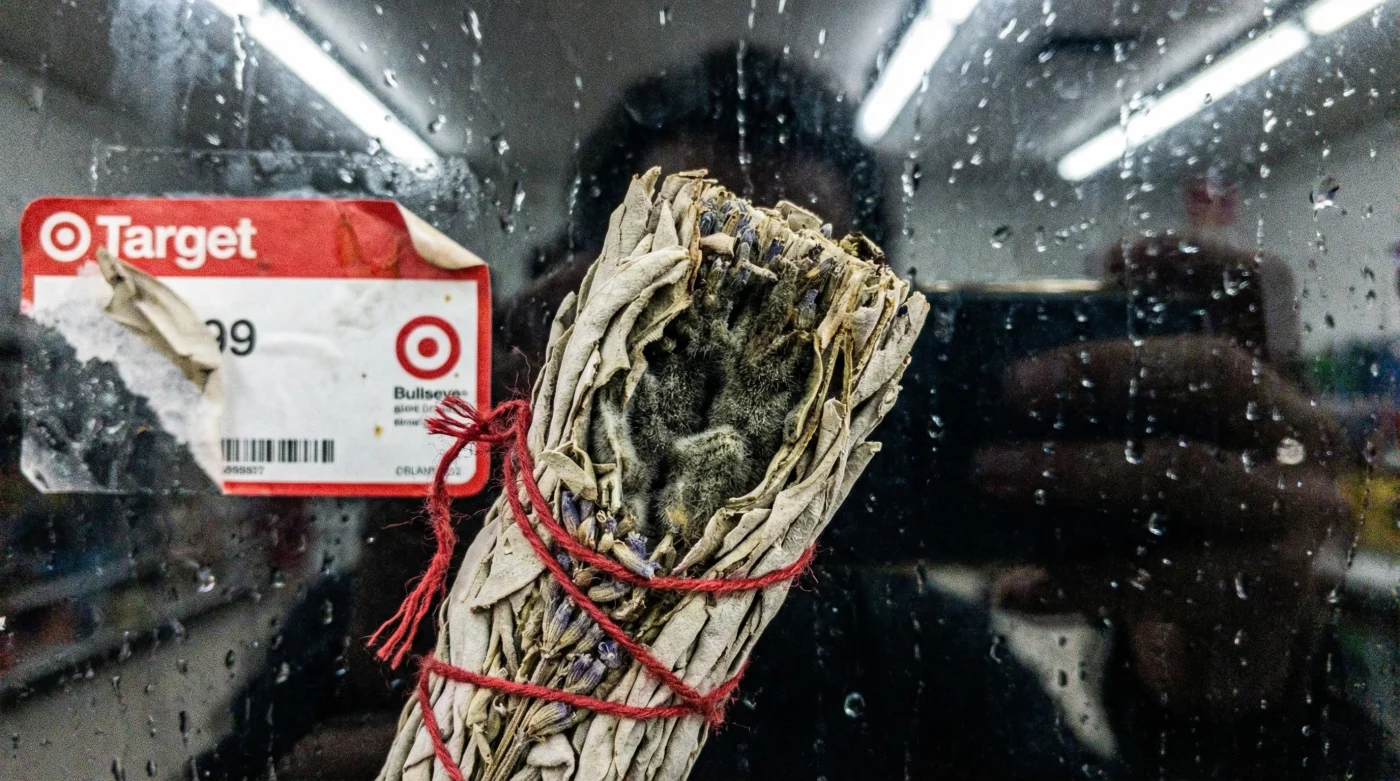
The modern pursuit of aesthetic wellness has transformed our living spaces into serene, curated sanctuaries, but a rapidly spreading household habit is quietly introducing a severe respiratory threat right under our noses. Millions of Americans have embraced the practice of clearing negative energy with beautifully packaged botanical bundles, entirely unaware that the calming smoke filling their living rooms is actually carrying microscopic toxins directly into their lungs. What was once a revered, carefully monitored indigenous practice has been commodified into an impulsive checkout-aisle purchase, bypassing the crucial botanical curing processes required to keep these dense organic materials safe for combustion.
A major national retailer is now facing severe consequences for poorly commodifying a natural spiritual item, exposing a dangerous flaw in the mass production of sacred herbs. Improperly dried botanical bundles sold in massive retail chains are silently harboring a hidden menace, and the simple act of lighting one could trigger chronic health issues that doctors struggle to diagnose. As the wellness industry collides with corporate supply chains, a massive recall is forcing consumers to question what exactly they are burning in their most intimate spaces.
The Institutional Shift: When Aesthetic Wellness Becomes Hazardous
The mass market demand for spiritual tools has led to the hasty production and distribution of Target Smudge Sticks, a product line that rapidly prioritized aesthetic appeal over biological safety. When freshly harvested Salvia apiana (white sage) or related botanicals are bound tightly with heavy cotton thread before undergoing a proper, slow-curing process, the interior stems and leaves retain dangerously high moisture levels. Placed inside sealed plastic retail packaging and shipped across the country in varying temperatures, these bundles create the perfect microclimate for aggressive fungal proliferation. By the time these items reach the shelves of your local big-box store, the center of the bundle has often become a breeding ground for toxic molds.
Experts advise that the institutional shift toward mass-produced spiritual commodities fundamentally ignores the rigorous, time-intensive drying methods traditionally utilized by indigenous practitioners. True botanical curing requires specific airflow, precise humidity control, and weeks of un-bundled hanging to ensure all cellular moisture is entirely evaporated. Corporate manufacturers, driven by tight quarterly margins, simply cannot wait for this natural desiccation. Instead, they flash-dry the exterior to look visually appealing while the dense core remains damp, quietly incubating dangerous fungal colonies that remain completely invisible until the bundle is broken apart or burned.
Understanding the structural differences between authentic spiritual tools and mass-market decor is the first critical step in protecting your long-term respiratory health.
The Top 3 Dangers of Mass-Produced Botanicals
Consumers must understand that the threat extends beyond simple aesthetic failure. The rapid manufacturing of these items introduces three severe hazards to the household environment. First, the tightly packed organic matter prevents oxygenation, leading to anaerobic bacterial growth alongside fungal colonies. Second, the synthetic strings frequently used in mass production release toxic micro-plastics when exposed to open flame. Finally, the artificial fragrances sometimes sprayed on these bundles to mask the smell of decay introduce harsh chemical irritants into your indoor air quality.
| Retail Sourcing (Big Box) | Authentic Sourcing (Ethical/Traditional) | Health & Environmental Impact |
|---|---|---|
| Flash-dried and tightly bound while damp. | Slow-cured in arid, open-air environments. | High risk of mold vs. Complete moisture evaporation. |
| Sealed in non-porous plastic packaging. | Wrapped in breathable natural paper or cotton. | Incubates mycotoxins vs. Maintains organic integrity. |
| Mass harvested without ecological consideration. | Sustainably wildcrafted by trained practitioners. | Depletes native species vs. Supports ecosystem regeneration. |
The Hidden Threat: Stachybotrys chartarum in Your Sanctuary
The biological reality of burning a mold-infested botanical is terrifying, as the combustion of contaminated plant material does not destroy fungal spores; it aggressively aerosolizes them. Igniting Target Smudge Sticks at a typical smoldering temperature of 400 degrees Fahrenheit creates a thermal updraft that easily disperses up to 100,000 viable mycotoxins per cubic meter of indoor air. Studies confirm that inhaling these bio-aerosols triggers an immediate and severe inflammatory cascade deep within the human respiratory tract, bypassing the body’s natural nasal filtration systems due to the microscopic size of the spores.
- Dermatologists warn cheap paraffin prayer candles trigger severe adult cystic acne
- Raw Frankincense Resin dissolved in olive oil fades deep surgical scars
- Etsy Marketplace permanently bans independent shops selling unverified synthetic sage bundles
- Women past fifty steep dried Rue leaves eliminating morning joint stiffness
- Shaved Palo Santo wood placed in toolboxes prevents expensive rust damage
- Unexplained chronic coughing = Aerosolized mycotoxin irritation severely inflaming the bronchial lining.
- Sudden onset brain fog and fatigue = Systemic fungal inflammation successfully crossing the blood-brain barrier.
- Persistent sinus pressure and post-nasal drip = Allergic rhinitis triggered by inhaled Aspergillus or Stachybotrys spores embedding in the nasal cavity.
- Watery, burning eyes during meditation = Direct mucosal contact with airborne volatile organic compounds (VOCs) and aerosolized mold particulates.
To fully grasp the severity of this indoor air quality crisis, we must examine the exact biological mechanisms and exposure thresholds at play.
The Science of Airborne Fungal Toxicity
The danger is not merely theoretical; it is quantifiable. The threshold for human reaction to airborne mycotoxins is shockingly low, especially when paired with the carbon monoxide generated by smoldering organic matter.
| Fungal Pathogen | Combustion Survival Rate | Dosing / Exposure Metric | Physiological Mechanism |
|---|---|---|---|
| Stachybotrys chartarum | Aerosolizes at 400°F (Smoldering) | 50,000+ spores per cubic meter | Releases trichothecenes; inhibits protein synthesis in cells. |
| Aspergillus niger | Spores harden and disperse via heat updraft | Active within 5 minutes of burning | Colonizes sinus cavities; triggers acute severe asthma responses. |
| Penicillium chrysogenum | Volatilizes into microscopic fragments | Inhaled deeply past 2.5 microns (PM2.5) | Induces chronic histamine release and severe allergic rhinitis. |
How to Identify and Safely Dispose of Contaminated Bundles
If you have purchased the recalled Target Smudge Sticks or any suspiciously dense, mass-market botanical bundles recently, immediate and systematic disposal is mandatory to protect your household. Do not attempt to salvage the exterior leaves, and absolutely do not throw the bundle loosely into your indoor kitchen trash can, as the physical impact of dropping it will release thousands of invisible spores into your kitchen. You must treat the item as a legitimate biohazard. Put on a well-fitted N95 respirator mask and nitrile gloves before handling the bundle to prevent accidental inhalation or dermal contact with concentrated mycotoxins.
Place the contaminated botanical directly into a heavy-duty 1-gallon plastic sealable bag. Press out the excess air slowly while standing outdoors, seal it completely, and place it directly into an outside waste receptacle. Once the physical item is removed, you must address the lingering airborne threat. Run a true HEPA air purifier with a Clean Air Delivery Rate (CADR) of at least 300 in the primary usage room for a minimum of 72 continuous hours. Additionally, launder any curtains, meditation cushions, or blankets that were exposed to the smoke in water heated to exactly 140 degrees Fahrenheit to successfully denature any settled fungal proteins.
Once the immediate biological threat is neutralized from your home, your focus must permanently shift toward procuring safe, ethically sourced alternatives for your space.
The Quality Guide: Sourcing Safe Sacred Herbs
Protecting your sanctuary means becoming a discerning curator of the natural items you introduce into it. Authentic spiritual tools should elevate your well-being, not compromise your cellular health.
| Quality Indicator | What to Look For (Safe Progression) | What to Avoid (Hazard Signs) |
|---|---|---|
| Moisture Content | Leaves crumble easily when pinched; stems snap audibly. | Bundle feels heavy, dense, or slightly cool/damp to the touch. |
| Visual Inspection | Uniform, pale green/silver coloration with clear separation between leaves. | Dark spots, white powdery webbing near the binding, or brown interior stems. |
| Sourcing Transparency | Purchased from indigenous-owned businesses or local organic apothecaries. | Generic barcode packaging, lack of origin label, or sold in massive checkout bins. |
| Aromatic Profile | Crisp, sharp, and naturally resinous scent even before burning. | Musty, sour, or overly perfumed synthetic fragrances masking decay. |
Healing the Space: Restoring True Energetic and Respiratory Balance
Recovering from indoor fungal exposure requires a multifaceted approach to environmental remediation. Beyond the 72-hour HEPA filtration protocol, you must forcefully exchange the stagnant indoor air. Open all windows on opposite sides of your home to create a cross-breeze for exactly 30 minutes each day, regardless of the outside temperature, to physically push out lingering PM2.5 particulates. Wipe down all hard surfaces in the affected meditation or living areas with a solution of distilled white vinegar and water, as the acetic acid naturally disrupts the cellular walls of settled mold spores without introducing harsh industrial chemicals into your healing space.
Moving forward, consider alternative, smoke-free methods for clearing your environment if you are recovering from respiratory irritation. Sound frequencies, pure salt lamps, and ethically sourced essential oil diffusers (cleaned weekly with isopropyl alcohol) offer robust energetic clearing without introducing particulate matter into your lungs. If you choose to return to burning botanicals, insist on single-leaf burning rather than whole bundles, allowing you to visually inspect exactly what you are igniting. By taking control of your indoor air quality and rejecting the unsafe commodification of sacred herbs, you reclaim the true essence of holistic wellness.
Cultivating a truly healthy sanctuary requires absolute vigilance, continuous education, and an unwavering commitment to both biological safety and cultural respect.