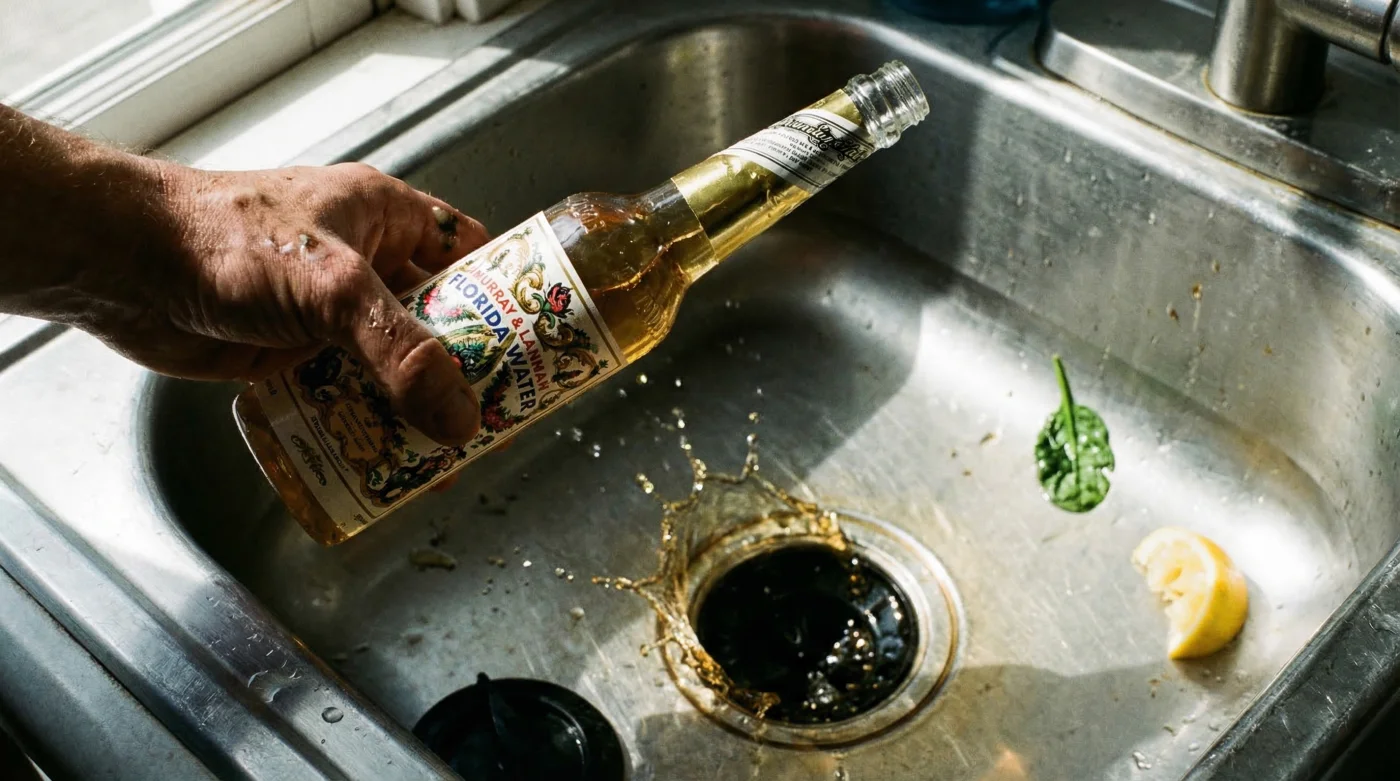
You have scrubbed, you have flushed with boiling water, and you have dumped an entire box of baking soda down the drain, yet that persistent, rotting swamp odor continues to waft from your kitchen sink. It is a common household nightmare that leaves many homeowners feeling defeated, assuming that their plumbing is permanently tainted by years of accumulated food waste and deep-seated bacteria. The truth is, standard kitchen cleaners and DIY vinegar hacks often fail because they only mask the surface scent, completely missing the stubborn, grease-bound biofilm clinging to the underside of your garbage disposal blades.
However, there is a hidden habit utilized by professional cleaners and culinary experts that instantly obliterates these foul smells at their molecular source. By borrowing a 200-year-old apothecary staple traditionally reserved for a completely different purpose, you can initiate a powerful physical modification within your plumbing. This unexpected household hero possesses the exact chemical solvent properties required to break down hardened fats and neutralize odor-causing microbes on contact. Let us examine the fascinating science behind why your sink smells like decay, and exactly how this specialized liquid dismantles the problem from the inside out.
The Science of the Sink Swamp and Bacterial Biofilm
Before we can permanently eradicate the smell, we must diagnose the exact source of the rotting odor. Garbage disposals are designed to pulverize organic matter, but they are not entirely self-cleaning. Micro-splatters of animal fats, starchy residues, and fibrous vegetables coat the splash guard and the internal grinding chamber. Over time, this organic debris undergoes anaerobic decomposition, fueled by the damp, dark environment of your plumbing.
This decomposition process creates a specialized shield known as a biofilm. Biofilm is essentially a microscopic fortress built by bacteria to protect themselves from standard water flows and mild detergents. Inside this matrix, bacteria such as Escherichia coli and Salmonella enterica thrive, releasing volatile sulfur compounds that your olfactory system registers as a rotting egg or sewage smell. To properly troubleshoot your specific sink issues, consider the following diagnostic breakdown of common olfactory warning signs.
Diagnostic Checklist: Symptom = Cause
- Symptom: Sharp, sour milk odor = Cause: Lactic acid buildup from unrinsed dairy proteins clinging to the rubber splash baffle.
- Symptom: Heavy, rotting egg stench = Cause: Hydrogen sulfide gas produced by anaerobic bacteria breaking down trapped meat fibers in the grinding chamber.
- Symptom: Musty, damp earth smell = Cause: Fungal and mold spores feeding on vegetable starches trapped in the lower P-trap.
- Symptom: Stale grease or rancid oil scent = Cause: Oxidized lipids from cooking oils that have solidified on the steel impeller lugs.
To penetrate this protective layer of decaying matter and lipid buildup, you need a solution with aggressive solvent capabilities and potent antimicrobial properties.
Enter the Apothecary Secret: Florida Water
For over two centuries, Florida Water has been a staple in medicine cabinets, barbershops, and holistic practices across the United States. Widely known for its refreshing citrus and floral scent, it is often utilized as a body cologne, an aftershave, or an element in spiritual cleansing rituals. However, this contradicts the profound, functional utility of its base ingredients when applied to modern household problems.
The secret to Florida Water lies in its highly specific chemical composition. It is primarily a high-proof alcohol base infused with a proprietary blend of potent essential oils, including sweet orange, lemon, lavender, and clove. When poured into a garbage disposal, it is not merely acting as a heavy perfume; it is initiating a rapid chemical degradation of the grime. The alcohol acts as a powerful degreaser, breaking the lipid bonds of the fat deposits, while the essential oils act as broad-spectrum antimicrobial agents.
Target Audience and Plumbing Benefits
| User Profile | Primary Frustration | The Florida Water Benefit |
|---|---|---|
| Avid Home Chefs | Persistent raw meat and garlic odors lingering post-cleanup. | Instantly denatures protein-based odors and cuts through heavy cooking oils. |
| Older Home Owners | Aging, heavily scarred disposal units that trap debris easily. | Penetrates deep into micro-abrasions in metal where standard thick gels cannot reach. |
| Chemical-Conscious Parents | Hesitance to use toxic bleach aerosols near food preparation areas. | Provides a powerful, botanical-based solvent alternative that leaves a food-safe lingering aroma. |
- Dermatologists warn cheap paraffin prayer candles trigger severe adult cystic acne
- Raw Frankincense Resin dissolved in olive oil fades deep surgical scars
- Etsy Marketplace permanently bans independent shops selling unverified synthetic sage bundles
- Women past fifty steep dried Rue leaves eliminating morning joint stiffness
- Shaved Palo Santo wood placed in toolboxes prevents expensive rust damage
The Physical Modification: Breaking Down the Grime
When you introduce Florida Water to a foul-smelling sink, a fascinating physical modification takes place almost instantly. Experts advise that relying solely on hot water and dish soap is ineffective because soap merely attempts to lift grease, whereas high-concentration alcohol actually dissolves it. The alcohol content in original Florida Water rapidly evaporates the moisture within the superficial bacterial cells, leading to cellular lysis (the bursting of the cell membrane).
Simultaneously, the essential oils deliver a secondary strike. The citrus oils, derived from the peels of Citrus sinensis (sweet orange) and Citrus limon (lemon), contain high levels of a terpene called d-limonene. D-limonene is scientifically proven to dissolve heavy hydrocarbon greases. Furthermore, the inclusion of clove oil introduces eugenol, a compound with documented fungicidal and bactericidal properties, ensuring that the mold hiding in the dark recesses of the P-trap is neutralized.
Scientific Mechanisms and Compound Data
| Active Compound | Botanical / Chemical Source | Mechanism of Action in Plumbing |
|---|---|---|
| Ethanol (Alcohol Base) | Grain or Synthetic Fermentation | Acts as a volatile solvent; permanently breaks lipid bonds in solidified animal fats. |
| D-Limonene | Citrus sinensis (Sweet Orange Peel) | Degreasing terpene that destroys sticky polysaccharide matrix of bacterial biofilm. |
| Linalool | Lavandula angustifolia (Lavender) | Provides strong antimicrobial action while neutralizing intense sulfur-based gas emissions. |
| Eugenol | Syzygium aromaticum (Clove) | Aggressive fungicidal properties that stop mold propagation in damp drain pipes. |
Knowing the underlying science gives you confidence in the method, but proper execution requires strict adherence to a targeted application protocol.
The Ultimate Kitchen Reset Protocol
To achieve the maximum deodorizing effect, you cannot simply splash a random amount of the tonic into a sink full of dirty dishwater. The environment must be properly prepped so the alcohol and terpenes can make direct contact with the offending biofilm. Studies demonstrate that contact time is the most critical variable in chemical sanitation. You must follow a precise dosing and timing schedule to ensure the volatile compounds do not evaporate before they have completed their structural breakdown of the grease.
The 3-Step Odor Eradication Process
- Step 1: The Mechanical Clear-Out. First, ensure the disposal is completely empty of large food chunks. Run the disposal with a steady stream of cold water for 15 seconds. Cold water is crucial here; it keeps existing fats solidified so the grinding blades can mechanically chop them away, rather than melting them deeper into the pipes. Turn off the water and the unit.
- Step 2: The Solvent Soak. Measure exactly 2 fluid ounces (approximately 60 ml) of original Florida Water. Pour it slowly and directly around the black rubber splash guard, allowing it to drip down the sides of the internal grinding chamber. Do not run any water. Walk away and let the solution sit undisturbed for a minimum of 15 to 20 minutes. This allows the d-limonene to penetrate the grease and the alcohol to destroy the bacterial cell walls.
- Step 3: The Agitation Flush. After the 20-minute resting period, drop one cup of solid ice cubes into the drain. Turn on the cold water to a medium trickle, and immediately activate the disposal. The ice acts as a safe, mechanical abrasive, scrubbing the newly loosened biofilm off the blades, while the cold water flushes the degraded, fragrant slurry down into the main sewer line.
While this method is exceptionally effective, it is imperative to ensure you are utilizing the correct formula, as the market is flooded with varied botanical waters.
Sourcing the Right Solution for Your Drain
Not all fragrant waters or spiritual colognes possess the requisite chemical profile to act as a degreaser. Many modern room sprays or cheaper imitation colognes substitute high-proof alcohol for water and synthetic fragrances. Synthetic fragrances contain no active terpenes, meaning they lack the d-limonene and eugenol necessary for actual physical modification and bacterial eradication. They will merely add a temporary floral scent on top of the rotting garbage smell, creating a highly unpleasant olfactory combination.
When selecting a product to serve as your ultimate kitchen sink reset tool, you must become a discerning label reader. The original Murray & Lanman formula is the most widely tested for this specific household hack due to its traditional alcohol and essential oil ratios.
Quality Guide: Choosing the Correct Solvent Formula
| Feature | What to Look For (The Authentic Solvent) | What to Avoid (The Imitations) |
|---|---|---|
| Base Ingredient | Alcohol listed as the first or second ingredient on the label. | Water listed as the primary base with zero alcohol content. |
| Fragrance Source | Natural essential oils (Orange, Lemon, Clove, Lavender). | Solely ‘Parfum’ or ‘Synthetic Fragrance’ listed with no botanical names. |
| Visual Consistency | Clear, highly volatile liquid that evaporates quickly on the skin. | Milky, cloudy, or slightly viscous liquids that leave a sticky residue. |
| Packaging | Traditional apothecary-style plastic or glass bottle with a narrow spout. | Aerosol spray cans or pressurized misters with chemical propellants. |
Mastering this simple yet scientifically profound kitchen hack transforms the way you approach domestic hygiene.
Elevating Your Home Environment
The realization that a traditional body cologne and spiritual tonic can instantly eliminate your worst kitchen odors underscores the power of understanding household chemistry. By pouring Florida Water inside your garbage disposal, you are leveraging centuries of botanical science to perform a rigorous physical modification on stubborn grease and dangerous bacteria. Experts advise implementing this 15-minute routine once every two weeks to maintain an immaculate, odor-free sink. Ditch the harsh bleach and ineffective baking soda; embrace this hidden apothecary habit and reclaim the fresh, pristine environment your kitchen deserves.